By Mr Hull's Movie Guides
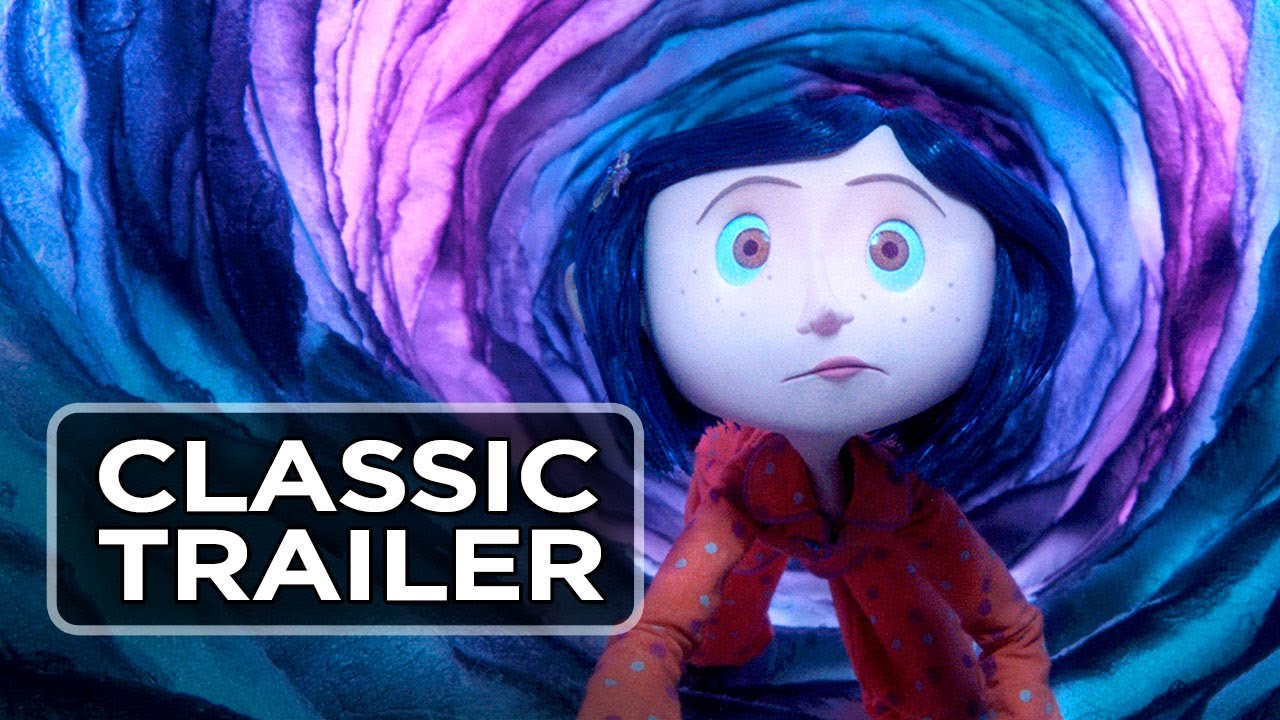
Watch the Trailer
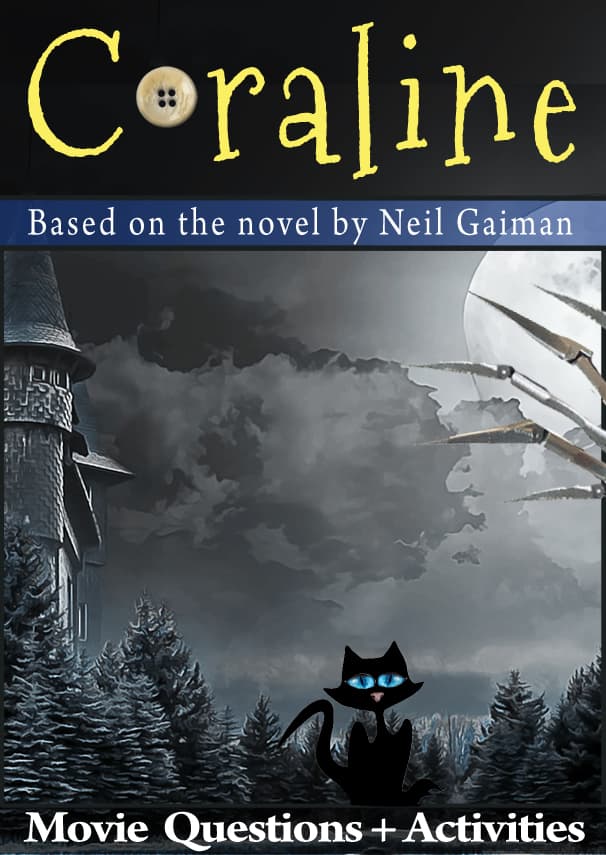
What's Inside the Guide
This is a 16-page classroom-ready resource.
Three differentiated sets of questions in chronological order. Answer keys are included.
- 50 question set requiring full sentence answers.
- 35 question version of the same set, shortened.
- 35 multiple choice question set with three possible answers. The multiple choice set may also work well with ESL and ELL students.
- A nine scene storyboard of what they consider the most important parts of the movie, with a brief description for each scene.
- A synopsis of the movie, written using that storyboard as the basis.
Students put ten events from the movie into the correct order, then use letters generated from that sequence to complete a secret message. An answer key is included.
“Great resource to use with the movie. The questions were great to help prompt discussions about the movie in depth.”
— Lisa W.
“My newcomer ELL students loved that they were able to answer these questions.”
— Kim M.
Why Watch This Movie With Your Students
Here's what your students naturally take away from the movie, whether through themes, values, ideas, or perspectives.
🚪 Coraline chooses to go back through the door even after she has reason to be afraid. Her curiosity and boredom keep pulling her back to the Other World even as the warning signs grow clearer each time. That choice, made again and again, gives students a real character decision to examine rather than something that just happens to her.
🪡 The Other Mother offers Coraline everything she says she wants, with one unsettling condition. Attentive parents, a beautiful garden, and constant entertainment all come with the requirement that Coraline let buttons be sewn over her eyes. The gap between what looks perfect and what it demands is the movie's central idea.
👻 Three ghost children reveal what happened to the kids who accepted the Other Mother's offer before Coraline. Trapped behind a mirror, the ghost children explain how the Other Mother used dolls and games to lure them in before taking their eyes and their freedom. Their story gives weight to what Coraline stands to lose if she makes the same choice.
🎭 The movie is built entirely from handmade stop motion puppets and sets, without any CGI characters. Every object on screen, down to individually knitted sweaters, was physically built and filmed frame by frame. The scale of that handmade craftsmanship is itself worth showing students alongside the story.
🐈 The Cat is the one character who can move between both worlds and speak the truth about what Coraline is facing. Unlike every other character, the Cat is not fooled by the Other World's version of events and gives Coraline blunt warnings she does not always want to hear. He works as a clear voice of reason inside a story built on things not being what they seem.
🏆 The movie was nominated for the Academy Award for Best Animated Feature and won multiple Annie Awards. Coraline earned wins for its music, character design, and production design, and its critical reputation has grown since its 2009 release. That recognition gives students a reason to take the movie's craft seriously alongside its story.
Age Suitability and Content
This movie is rated PG.
⚠️ Things to be aware of:
- The Other Mother transforms into a frightening, monstrous figure and it is implied she has killed at least three children before Coraline.
- A character is briefly strangled, and a severed hand later chases and grabs at Coraline.
- Infrequent mild language, including words like crap and insults such as jerkwad and idiot.
- One scene features two characters in revealing stage costumes, and a line implies another character drinks too much, though nothing is shown.
📋 A free editable parent permission slip is available for this movie. It explains the educational benefits of watching movies in class and includes a space for parental consent. → Download Free Permission Slip on TpT (Free resource)
Note for educators: Movie details and age ratings in this post are sourced from IMDb, Common Sense Media, and Wikipedia to help ensure accuracy.
How My Movie Guide Helps You Teach It
Click your subject below to see how this guide supports it:
📚 English Language Arts Teachers
🗣️ ESL and ELL Teachers
🎬 Substitute Teachers and Cover Lessons
🏠 Homeschool Parents
🎨 Art Teachers
💙 SEL Teachers
🌟 Supporting All Learners A movie gives students a story to follow, and the guide gives them questions to work through as they watch. For students with autism, learning difficulties, and mild to severe disabilities, that combination provides a clear focus for the lesson and a concrete way to show understanding. The format can be useful in special education and learning support classrooms, where teachers need activities that give students a defined task during viewing. Find out more about why movies work for diverse learners.
How These Guides Work: From Movie to Lesson
Watching a movie is not a break from learning. It reaches students through sight, sound, and story at once, engaging the brain in ways text alone does not, and the structured work around it is what turns the viewing into a genuine lesson. You can read the research behind this on the Why Movies Work page.
- A Teacher Notes and General Directions page opens the guide with a brief overview of everything inside: what the movie is about, then each part of the guide in order with a short description of what it entails. You know what to expect from the whole resource before you hand out a single page, so you can pick up the guide cold and teach it the same day.
- Answer keys are included for the comprehension question sets, so grading is quick and you are not rewatching the movie to check answers. Some guides also include example answers for the creative and written activities.
- Print and go: classroom ready, with no additional preparation needed. Print one the morning you need it and the lesson is ready.
- Substitute and first-timer friendly. A guide can be handed to a substitute or picked up by a teacher covering the topic for the first time. Nobody running the session needs to have seen the movie.
- Differentiated comprehension sets. Most guides include two or three question sets at different difficulty levels, and most include a multiple-choice option that works well for ESL and ELL students. One class set covers your strongest readers, your strugglers, and your language learners without separate prep.
- Activities that go beyond recall. Each guide includes structured activities that ask students to engage with the movie, not just watch it, ranging from creative and written tasks to discussion and critical thinking questions depending on the guide. That variety matters in a mixed classroom: a student who freezes on a written question set may show real understanding through a drawing or a creative task, and a confident writer gets room to go beyond recall. For the teacher, it turns a movie session into work you can grade: comprehension questions show whether students followed the plot, and the activities beyond them show whether they understood it.