πŸŽƒ Halloween

Halloween Movie Guides for the Classroom

From animated classics to senior English literary studies, with classroom-ready guides for every grade level.

Jack-o-lantern glowing in the dark

There is a particular kind of energy that arrives in classrooms every October, somewhere around the first cold morning and the first pumpkin on a windowsill. Students start whispering about costumes before you have even taken attendance. It is one of the few times of year where the whole school feels a little electric, and that energy does not have to work against your lesson plans. It can work for them.

A well chosen movie turns that Halloween buzz into an actual teaching opportunity instead of forty minutes of chaos. Whether you teach five year olds who just want to see something a little spooky and a lot of fun, or seniors who appreciate a smarter kind of unease, there is a guide below built for your classroom, your grade level, and your October.

Halloween in the classroom

For teachers who celebrate it, Halloween is one of the best days on the calendar. Elementary classrooms go all out: costume parades down the hallway, themed parties with games and snacks, and a movie as the centerpiece of the day. Middle and high school students age out of the parade, but not the enthusiasm. Costume days, spirit days, and door decorating contests keep the spirit alive right through senior year, even if the celebrations get a little more low-key with each grade.

October is a month where students are already thinking about costumes, candy, and ghost stories well before the day itself arrives. A movie guide channels that energy into comprehension questions, creative writing, and class discussion, so the excitement builds toward something productive instead of working against you.

It also solves a problem a lot of teachers already know well. Not every student takes part in the costume parade or the party games, and those students still need something meaningful to do while their classmates celebrate. A Halloween movie guide is the easiest answer: everyone in the room gets a real lesson, whether they are in costume or not.

What these guides are actually built for

None of these guides were built to make Halloween feel like any other school day with a seasonal sticker on it. The whole point is October: the strange-and-spooky energy that arrives in classrooms somewhere around the first cold morning and stays there until the final bell on the 31st. These movies give that energy somewhere to go.

What is worth noticing is how much the Halloween setting does as a teaching vehicle. Each movie below connects its spooky premise to something students can genuinely engage with:

  • Casper is a movie about grief and what it means to be unable to let go.

  • Beetlejuice uses death and haunting to explore identity, belonging, and what it feels like to be out of place in your own life.

  • The Addams Family turns being different into the whole point of the story, not a problem to fix.

  • Hocus Pocus connects to the Salem Witch Trials and the real history of community fear.

  • The Witches asks students what courage looks like when you have almost no power left.

  • Goosebumps puts a real author at the center of a story about what stories can actually do.

  • It's the Great Pumpkin, Charlie Brown explores what it means to believe in something when nobody else does, and whether that kind of faith is worth holding onto.

  • Halloweentown shows younger students that what makes them feel different from everyone else is often exactly what makes them most capable.

These are just a few examples from the collection. Browse the full selection of Halloween movie guides below, sorted by grade level, with every guide ready to use on the day.

The Halloween setting is not decoration on these stories. It is what makes the emotional territory feel accessible to students who would otherwise need a lot more scaffolding to get there.

A little spooky, a lot of fun

Younger students do not need anything scary to feel the Halloween spirit. Gentle spooky stories, friendly monsters, and movies about accepting the parts of yourself that feel a little different are exactly the right amount of Halloween for this age group. These guides are built for costume day energy: easy to set up and engaging enough to hold attention even with a classroom full of students counting down to the parade.

Scooby-Doo and the Witch's Ghost (1999): The Animated Mystery That Solves Its Case Twice, and Gets It Wrong the First Time
1999Grades 3–6

Scooby-Doo and the Witch's Ghost

Scooby-Doo and the Witch's Ghost sends the gang to a small New England town where a famous horror writer's family secret turns out to be far more real than anyone expected. The guide pairs the movie with two tiers of comprehension questions, a storyboard, three creative writing tasks, a character profile activity, and a word search.

Read the classroom guide β†’
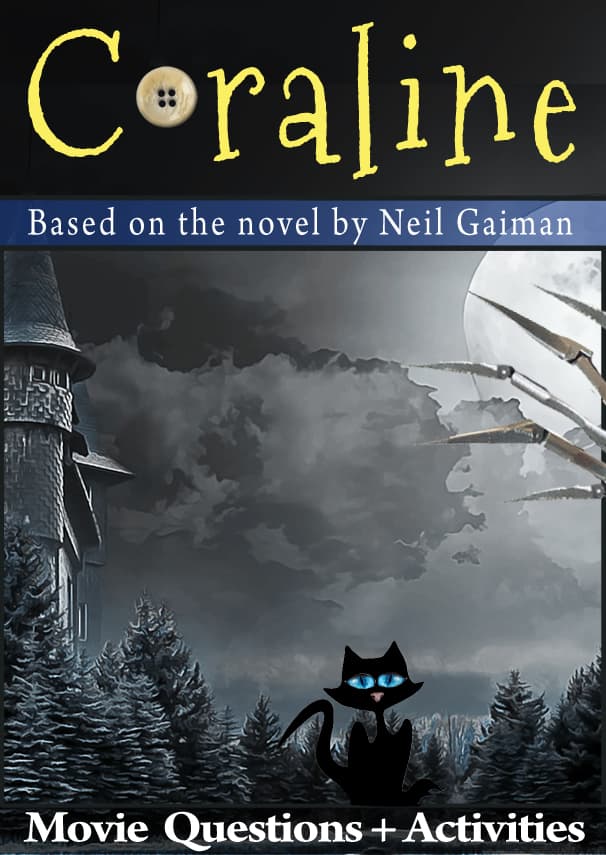
Coraline (2009): The Stop Motion Fantasy That Makes Students Question What a Perfect Life Actually Costs
2009Grades 4–8

Coraline

Coraline follows an eleven year old girl who discovers a door leading to an idealized version of her own life, one with attentive parents, a beautiful garden, and no boredom at all, except everyone in it has buttons for eyes. Based on Neil Gaiman's novella and brought to life through stop motion animation, the movie gives middle school students a striking way into questions about what it means to want a perfect life and what that perfection might be hiding.

Read the classroom guide β†’
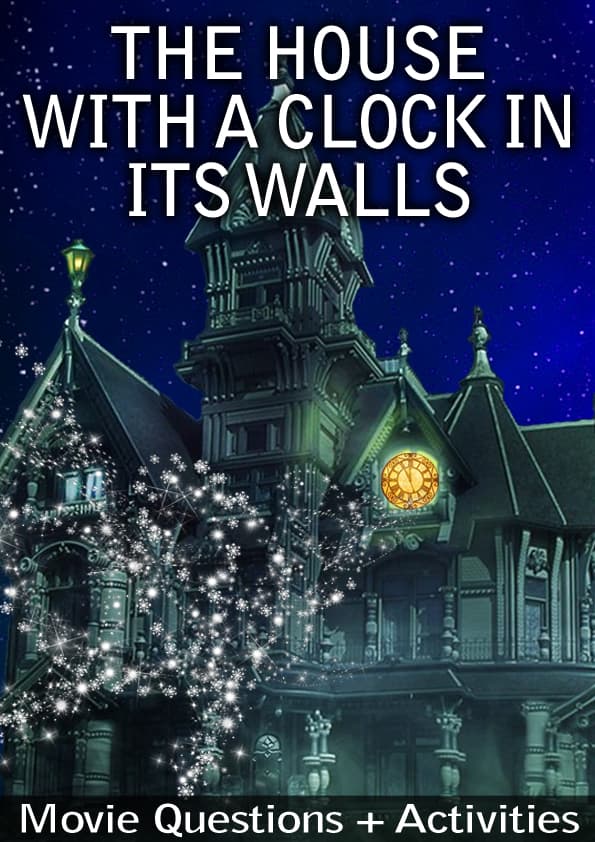
The House with a Clock in its Walls (2018): The Starter Horror Movie That Teaches Students Grief Can Live Alongside Wonder
2018Grades 4–7

The House with a Clock in its Walls

A newly orphaned boy moves in with his warlock uncle and discovers a house full of secrets, magic, and a clock counting down to something terrible. It is a gentle introduction to horror for students who are ready to be a little scared, wrapped around a story about grief, belonging, and finding a family you did not expect.

Read the classroom guide β†’
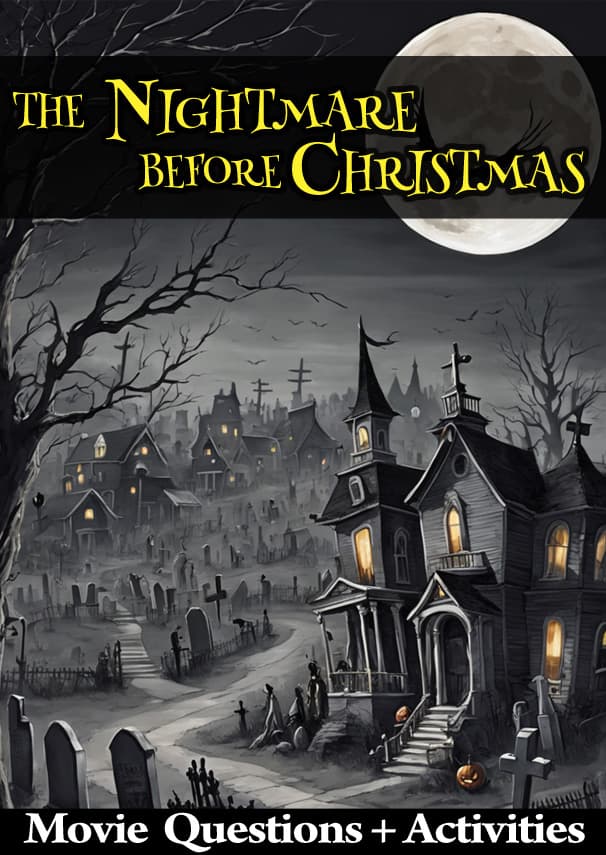
The Nightmare Before Christmas (1993): The Stop-Motion Classic That Asks Students What Happens When You Chase Something Not Meant for You
1993Grades 4–8

The Nightmare Before Christmas

Bored with running the same Halloween every year, Jack Skellington stumbles into Christmastown and decides to take over the holiday himself, with chaotic results. The guide's two differentiated comprehension question sets and creative writing tasks make this a strong pick for a Halloween or early winter classroom lesson.

Read the classroom guide β†’
The Halloween Tree (1993): The Ray Bradbury Classic That Teaches Students Where Halloween Actually Comes From
1993Grades 4–8

The Halloween Tree

Four trick-or-treating friends chase their missing companion Pip across thousands of years of history, uncovering the real origins of Halloween traditions along the way. The guide's differentiated question sets and creative activities make this a strong pick for a Halloween week lesson with real educational substance.

Read the classroom guide β†’
Casper (1995): The Ghost Story That Asks Students What Grief Looks Like When You Cannot Let Go
1995Grades 5–8

Casper

A ghost therapist and his daughter move into a haunted mansion to help a lonely young ghost named Casper, who cannot remember how he died or move on to the afterlife. The guide's three differentiated comprehension question sets and creative writing tasks make it an easy fit for a Halloween week lesson.

Read the classroom guide β†’

The history and origins of Halloween

Halloween did not start with candy corn or plastic pumpkins. It started over 2,000 years ago with the Celts, an ancient people living across what is now Ireland, the United Kingdom, and northern France. They marked the end of the harvest and the start of winter with a festival called Samhain, and they believed that on the night of October 31st, the line between the world of the living and the world of the dead grew thin. People lit bonfires and wore disguises to blend in with the spirits they thought were walking among them that night.

Centuries later, the Christian church folded November 1st into All Saints Day, making the evening before it All Hallows Eve, which eventually shortened into Halloween. When Irish and Scottish immigrants brought their traditions to America in the 1800s, the holiday took root and slowly became the version most students recognize today. Even small classroom staples have odd histories worth sharing. Jack-o'-lanterns began as carved turnips in Ireland, and only became pumpkins once Irish immigrants discovered how much easier they were to carve. Candy corn was originally sold as farm animal feed and called β€œchicken feed” before it became a Halloween staple.

For a classroom, that history is a gift. It turns Halloween into more than a costume day. It becomes a genuine lesson about how cultures blend, how traditions travel across oceans and centuries, and how something that started as a solemn festival of the dead became a holiday built around candy and community.

TPT Store

Get the Halloween guides on TPT

Classroom-ready activities, comprehension questions, writing tasks and more spooky activities. Guides tailored for every grade level, ready to use on the day.

Browse guides in my TPT store β†’