By Mr Hull's Movie Guides
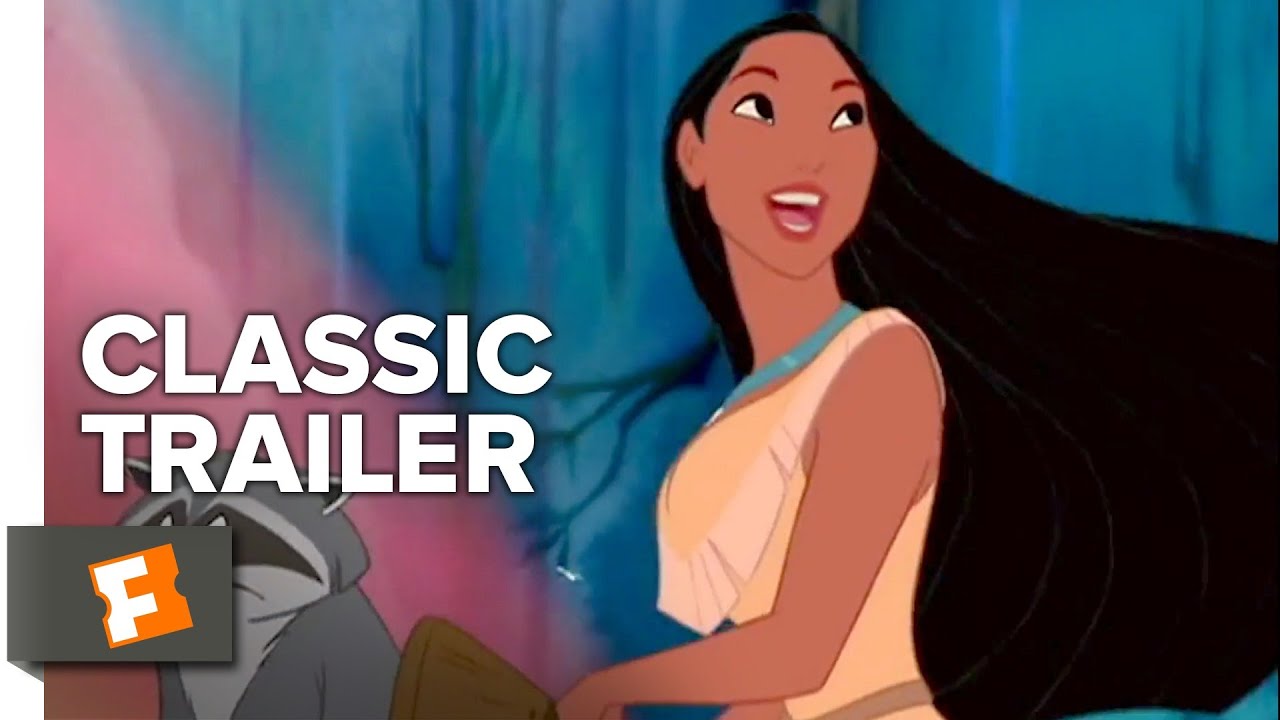
Watch the Trailer
What's Inside the Guide
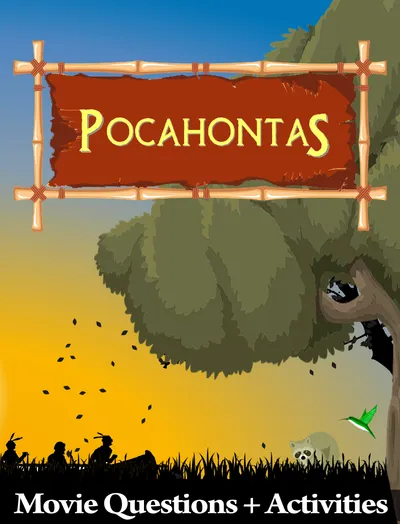
This is a 15-page classroom-ready resource.
Three differentiated question sets covering the full movie. Answer keys are included for all three sets.
- 50 question set requiring written answers in sentences.
- Shorter version with 25 of those questions.
- 25 multiple choice question set.
- A 9-scene storyboard where students illustrate and summarise key events in order.
- A structured synopsis of the movie, written using the completed storyboard as a guide, practising narrative organisation and written expression.
Two pages of creativity-focused work. Students draw a map of an island they imagine landing on in the New World, including a key of important locations. They then write a more detailed description of at least five of the places shown on their map.
A Pocahontas-themed word search. Answer key included.
“This resource is absolutely fantastic! The instructions are clear, the materials are well-organized, and everything is ready to use saving me so much prep time.”
— jennifer e.
“I bought this years ago when I taught about Native Americans. I have used this resource every year since then. Thank you!”
— Renee' C.
Why Watch This Movie With Your Students
Here's what your students naturally take away from the movie, whether through themes, values, ideas, or perspectives.
🌿 A story about land and who it belongs to. The conflict at the heart of Pocahontas is not just between two people but between two completely different ways of seeing the world. The English settlers want to claim, own, and extract. The Powhatan people see themselves as part of the land, not its owners. That tension is something students across grades can engage with meaningfully.
🎶 Music that carries the movie's themes. The Alan Menken score won the Academy Award for Best Original Score, and the songs do real work in the story. 'Colors of the Wind' articulates Pocahontas's worldview in a way that sticks with students long after the viewing. 'Savages' is deliberately uncomfortable, which makes it worth discussing.
⚖️ A villain driven by greed, not just meanness. Governor Ratcliffe is a useful villain because his motivation is recognisable. He wants gold and power, and he will say whatever he needs to say to get both. Students can see how leaders manipulate those around them, and why ordinary people sometimes go along with things they know are wrong.
🪶 Pocahontas herself is a strong central character. She is brave, curious, and principled, and she makes choices that go against what her father and her community expect of her. Her arc is about following her instincts even when it is costly. That kind of character gives students something to root for and reflect on.
🗺️ The historical context rewards further exploration. The movie takes significant liberties with the story of the real Pocahontas, including her age and her relationship with John Smith. Teachers can use those inaccuracies productively. The gap between the Disney version and the historical record is itself a lesson in how stories get shaped for an audience.
🌍 Cultural clash handled with visual clarity. The movie makes the differences between the two cultures visible through colour, landscape, sound, and costume. Students who struggle with abstract historical concepts often find it easier to engage when they can see and hear the contrast playing out on screen.
Age Suitability and Content
This movie is rated G.
⚠️ Things to be aware of:
- Violence: Two factions are at war throughout the movie. Characters brandish knives, swords, and muskets. Three people are shot, one fatally, with no blood or wounds shown. John Smith faces execution in a climactic scene.
- Language: Indigenous people are repeatedly referred to using derogatory terms including 'dirty savages' and 'injun,' including in song lyrics.
- Romance: Pocahontas and John Smith share two kisses.
- Drinking: A keg of wine is opened on the ship and men fill their mugs. Brief and not depicted as significant.
- No strong language, no sexual content, and no drug use beyond the brief alcohol scene.
Note for educators: Movie details and age ratings in this post are sourced from IMDb, Common Sense Media, and Wikipedia to help ensure accuracy.
How My Movie Guide Helps You Teach It
Click your subject below to see how this guide supports it:
📚 English Language Arts Teachers
🗣️ ESL and ELL Teachers
🌐 Social Studies Teachers
🎬 Substitute Teachers and Cover Lessons
🏠 Homeschool Parents
📜 History Teachers
🌟 Supporting All Learners A movie gives students a story to follow, and the guide gives them questions to work through as they watch. For students with autism, learning difficulties, and mild to severe disabilities, that combination provides a clear focus for the lesson and a concrete way to show understanding. The format can be useful in special education and learning support classrooms, where teachers need activities that give students a defined task during viewing. Find out more about why movies work for diverse learners.
How These Guides Work: From Movie to Lesson
Watching a movie is not a break from learning. It reaches students through sight, sound, and story at once, engaging the brain in ways text alone does not, and the structured work around it is what turns the viewing into a genuine lesson. You can read the research behind this on the Why Movies Work page.
- A Teacher Notes and General Directions page opens the guide with a brief overview of everything inside: what the movie is about, then each part of the guide in order with a short description of what it entails. You know what to expect from the whole resource before you hand out a single page, so you can pick up the guide cold and teach it the same day.
- Answer keys are included for the comprehension question sets, so grading is quick and you are not rewatching the movie to check answers. Some guides also include example answers for the creative and written activities.
- Print and go: classroom ready, with no additional preparation needed. Print one the morning you need it and the lesson is ready.
- Substitute and first-timer friendly. A guide can be handed to a substitute or picked up by a teacher covering the topic for the first time. Nobody running the session needs to have seen the movie.
- Differentiated comprehension sets. Most guides include two or three question sets at different difficulty levels, and most include a multiple-choice option that works well for ESL and ELL students. One class set covers your strongest readers, your strugglers, and your language learners without separate prep.
- Activities that go beyond recall. Each guide includes structured activities that ask students to engage with the movie, not just watch it, ranging from creative and written tasks to discussion and critical thinking questions depending on the guide. That variety matters in a mixed classroom: a student who freezes on a written question set may show real understanding through a drawing or a creative task, and a confident writer gets room to go beyond recall. For the teacher, it turns a movie session into work you can grade: comprehension questions show whether students followed the plot, and the activities beyond them show whether they understood it.