By Mr Hull's Movie Guides
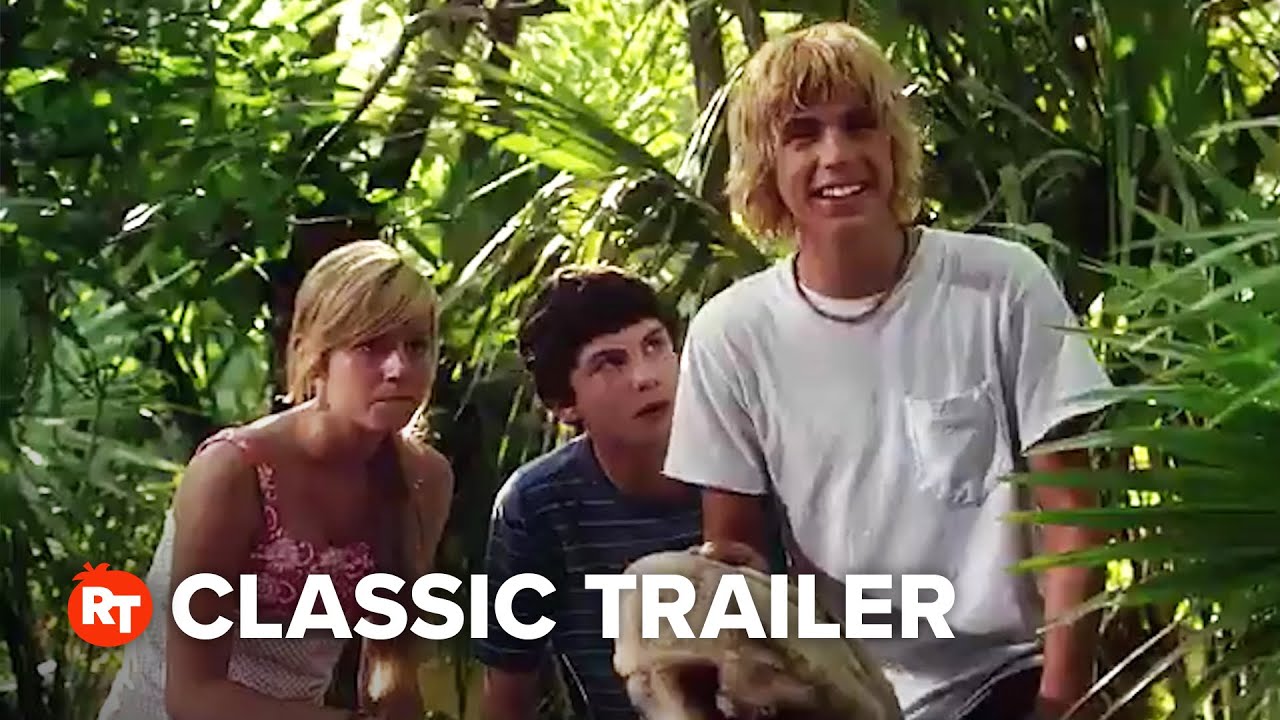
Watch the Trailer
What's Inside the Guide
This is a 14-page classroom-ready resource.
Three differentiated sets of comprehension questions in chronological order. Answer keys are included.
- 35 question set requiring full sentence answers.
- 25 question set drawn from the same 35.
- 25 multiple choice question set with three answer options each. The multiple choice set may also work well with ESL and ELL students.
- A nine scene storyboard of what they see as the most important parts of the movie, with a brief description for each scene.
- A full synopsis of the movie, written using that storyboard.
This part covers two activities.
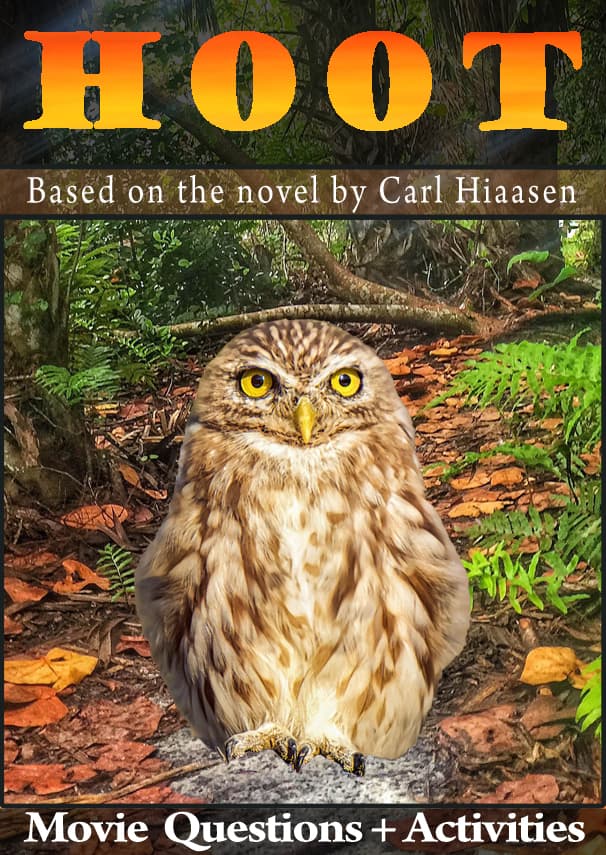
- Designing the layout for the new owl sanctuary mentioned in the movie, including the entrance, walking areas, souvenir shop, owl living area, and a key, with space to add any further design details.
- Designing a poster announcing the sanctuary's opening, following a set layout that includes the sanctuary name, opening date, at least one owl image, special events for the day, and a short paragraph on the importance of protecting the owls.
“This was a great companion to the movie. It helped the students stay motivated to watch.”
— Melissa M.
“Must have for this book! Incredible resource and very engaging for my students!”
— WILD IN FOURTH GRADE (TPT Seller)
Why Watch This Movie With Your Students
Here's what your students naturally take away from the movie, whether through themes, values, ideas, or perspectives.
🦉 Endangered wildlife sits at the center of the plot, not the background. The burrowing owls are not incidental scenery, their survival is the entire reason the kids act, and the movie treats their habitat as something genuinely worth protecting. Students see environmental stakes tied directly to a specific, real species rather than an abstract cause.
⚖️ The kids' methods raise real questions about how far is too far. Mullet Fingers sabotages construction equipment and the trio eventually ties up a company representative to stop the project, tactics the movie treats as justified because the cause is righteous. That tension gives students something worth debating, whether good intentions excuse rule breaking, rather than a clean answer handed to them.
🏗️ A corporation chooses profit over a protected habitat. The company pushing the pancake restaurant project knows about the owls and tries to hide it rather than change course, putting a specific corporate decision at the center of the conflict. Students get a concrete example of a business prioritizing convenience over environmental responsibility, rather than a vague message about pollution.
🚌 Roy's outsider status shapes how he sees the problem. As the new kid who keeps moving from place to place, Roy notices what longtime residents have stopped seeing, and that outsider perspective is what pulls him into the owls' cause in the first place. It gives students a specific reason why change sometimes comes from someone willing to look at a familiar place differently.
🐢 A school bully subplot runs alongside the environmental story. Roy's conflict with a bully on his bus and at school gives the movie a second, more personal thread about standing up for yourself, separate from the fight over the owls. It offers students a second entry point into the movie beyond its environmental themes.
👮 An adult ally shows what it looks like to listen to kids. Officer Delinko starts out ineffective and easily outmaneuvered, but eventually takes the kids' concerns seriously enough to act on them and help expose the company. His arc gives students an example of an adult changing course once he pays attention to what young people are telling him.
Age Suitability and Content
This movie is rated PG.
⚠️ Things to be aware of:
- A bully repeatedly picks on the main character, including one physical fight that leaves a character with a bloody, bruised face.
- The kids trying to save the owls engage in property damage and other illegal activities, including sabotage and tying up an adult.
- There is mild language throughout.
- There is no sexual content or substance use in the movie.
📋 A free editable parent permission slip is available for this movie. It explains the educational benefits of watching movies in class and includes a space for parental consent. → Download Free Permission Slip on TpT (Free resource)
Note for educators: Movie details and age ratings in this post are sourced from IMDb, Common Sense Media, and Wikipedia to help ensure accuracy.
How My Movie Guide Helps You Teach It
Click your subject below to see how this guide supports it:
📚 English Language Arts Teachers
🗣️ ESL and ELL Teachers
🔬 Science Teachers
🌐 Social Studies Teachers
🎬 Substitute Teachers and Cover Lessons
🏠 Homeschool Parents
🔭 STEM Teachers
🌟 Supporting All Learners A movie gives students a story to follow, and the guide gives them questions to work through as they watch. For students with autism, learning difficulties, and mild to severe disabilities, that combination provides a clear focus for the lesson and a concrete way to show understanding. The format can be useful in special education and learning support classrooms, where teachers need activities that give students a defined task during viewing. Find out more about why movies work for diverse learners.
How These Guides Work: From Movie to Lesson
Watching a movie is not a break from learning. It reaches students through sight, sound, and story at once, engaging the brain in ways text alone does not, and the structured work around it is what turns the viewing into a genuine lesson. You can read the research behind this on the Why Movies Work page.
- A Teacher Notes and General Directions page opens the guide with a brief overview of everything inside: what the movie is about, then each part of the guide in order with a short description of what it entails. You know what to expect from the whole resource before you hand out a single page, so you can pick up the guide cold and teach it the same day.
- Answer keys are included for the comprehension question sets, so grading is quick and you are not rewatching the movie to check answers. Some guides also include example answers for the creative and written activities.
- Print and go: classroom ready, with no additional preparation needed. Print one the morning you need it and the lesson is ready.
- Substitute and first-timer friendly. A guide can be handed to a substitute or picked up by a teacher covering the topic for the first time. Nobody running the session needs to have seen the movie.
- Differentiated comprehension sets. Most guides include two or three question sets at different difficulty levels, and most include a multiple-choice option that works well for ESL and ELL students. One class set covers your strongest readers, your strugglers, and your language learners without separate prep.
- Activities that go beyond recall. Each guide includes structured activities that ask students to engage with the movie, not just watch it, ranging from creative and written tasks to discussion and critical thinking questions depending on the guide. That variety matters in a mixed classroom: a student who freezes on a written question set may show real understanding through a drawing or a creative task, and a confident writer gets room to go beyond recall. For the teacher, it turns a movie session into work you can grade: comprehension questions show whether students followed the plot, and the activities beyond them show whether they understood it.