
Earth Day and Environment Movie Guides for the Classroom
Movie guides on forests, wildlife, survival, and human impact on the planet, built for Earth Day and for environment units that run all year.

Earth Day falls on April 22, but the movies below work for any environment unit, whether you are building a single Earth Day lesson or a full week of ecology, conservation, or environmental science. Ecosystems, pollution, and habitat loss are easier for students to grasp once they see them play out in a story instead of reading about them on a page, and a guide turns that story into comprehension work students can be held accountable for.
Most of the guides here suit grades 3 to 8, from animated stories about shrinking heroes and threatened forests to survival stories set in real wilderness. A smaller number reach older students, including one documentary built for grades 9 to 12 that looks at food production and its environmental cost. Browse the tabs below by topic to find the movie that fits your grade level and your unit.

Earth Day in the classroom
Earth Day gives a lot of teachers a reason to slot something environmental into a week that might not otherwise have room for it. It works as a stand-alone lesson tied to the date itself, or as the anchor for a longer unit in science, ELA, or social studies where a single class period would not do the material justice.
A movie and a guide are a practical way to fill that slot without building a unit from scratch. The movie carries the content, the guide gives students a task to do while they watch and something to hand in afterward, and the whole thing can be set up in the time it takes to book a projector.
Stories also make cause and effect visible in a way a diagram cannot. A village losing its water supply, a forest bulldozed for a shopping center, a boy building a wind turbine from scrap parts to solve a real problem, these show environmental change and human response as something that happens to people and places, not just as terms on a worksheet. The comprehension questions in each guide are built around those moments, so the task stays connected to what students actually watched rather than a topic introduced separately.
What these guides are actually built for
These guides were not built to fill a slot on the calendar. Each one uses its story to put a real environmental idea in front of students, whether that is a rainforest under threat, a robot surviving among animals it does not understand, or a family living through a famine most students have never had to imagine. Here is what a few of them put in front of a class.
FernGully, The Last Rainforest puts a rainforest under active destruction in front of students, with pollution given a literal monster body in Hexxus.
Once Upon a Forest shows a single toxic spill wiping out a forest and forces three young animals to act, connecting one environmental accident to its real cost.
Hoot follows three kids trying to stop a company from bulldozing land that shelters a protected species, a plain look at what civic action against a company can look like.
WALL-E spends much of its first half in near silence on a planet buried under garbage, and lets students draw their own conclusions before a single line of dialogue explains anything.
The Wild Robot puts a stranded robot into an ecosystem she was not built for, and follows what it takes for her to become part of it.
Food, Inc. traces the American food industry back to the decisions that shape what ends up on a plate, and what that industry means for people, animals, and land.
These are a sample of what is in the full set below. Browse by topic to find the movie that fits the unit you are teaching.

Every Earth Day and environment guide
This tab holds every guide tagged for Earth Day and the environment, and any new guide added later will appear here automatically. Most of the set suits grades 3 to 8, covering forests, wildlife, survival, and stories built around real ecosystems. A couple of guides reach further, including a high school documentary on the food industry. Use the topic tabs to narrow the list to a specific unit, or browse everything here.

March of the Penguins
March of the Penguins follows a year in the life of emperor penguins in Antarctica as they trek across the ice to find a mate and raise their young against brutal cold and constant danger. This documentary guide gives students two sets of differentiated comprehension questions, pair discussion, a storyboard and synopsis task, and a penguin fact sheet writing activity.
Read the classroom guide →
Pachamama
A young Inca boy sets off on a dangerous journey to recover his village's sacred treasure after it's stolen, facing both the wrath of the gods and the arrival of Spanish conquistadors. The guide includes two sets of differentiated comprehension questions, a storyboard and synopsis task, and class discussion questions.
Read the classroom guide →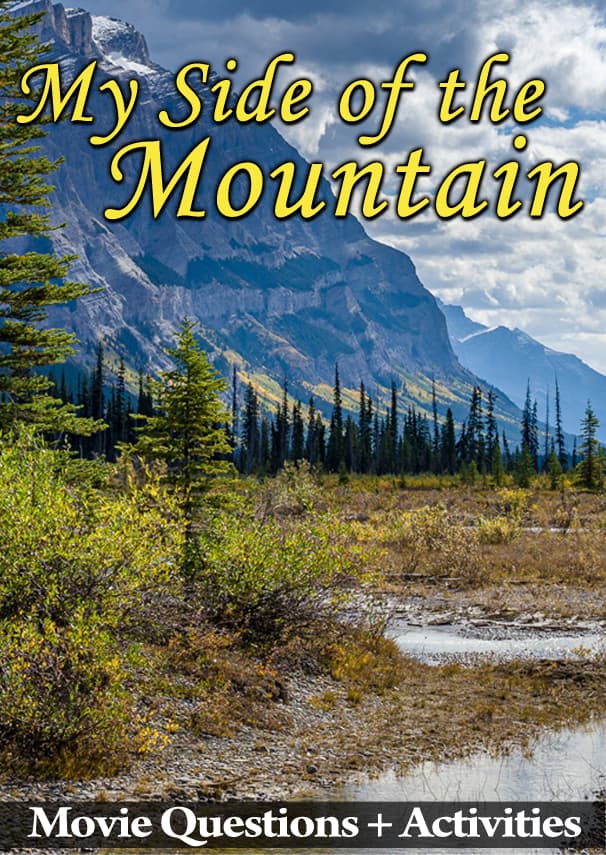
My Side of the Mountain
My Side of the Mountain follows twelve-year-old Sam Gribley as he leaves the city behind to live alone in the Canadian wilderness, building a home in a hollow tree and training a wild falcon to survive on his own terms. This guide has students answer questions about his journey, solve the same problems he faces, and map his story out in their own storyboard.
Read the classroom guide →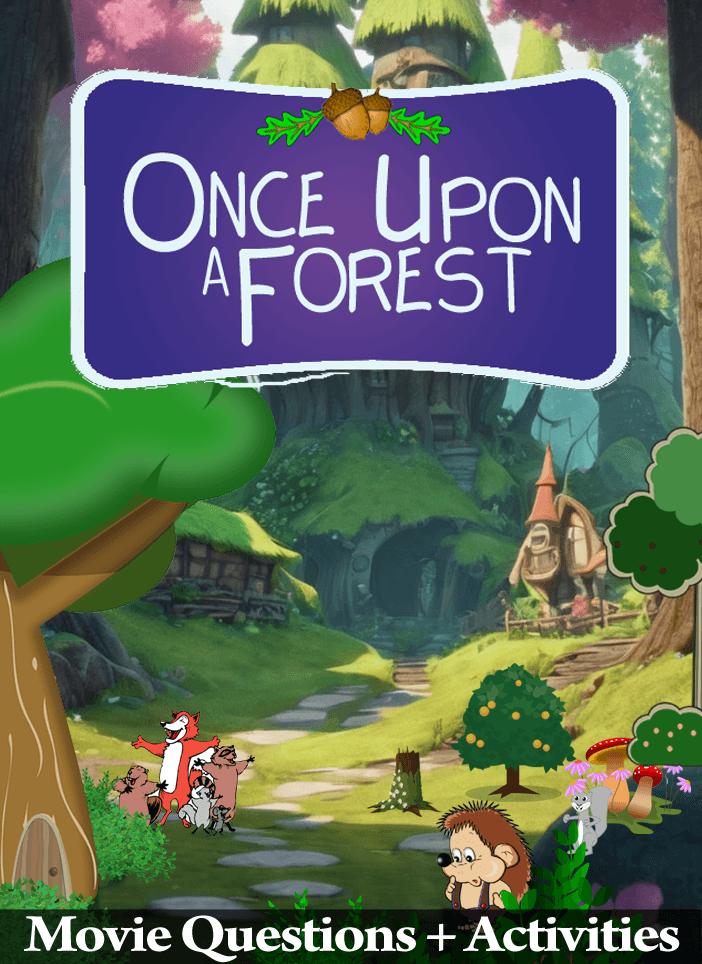
Once Upon a Forest
Three young forest friends set off on a dangerous journey to save a badger poisoned by a toxic gas spill, in a movie that puts environmental damage and its consequences right in front of students. Once Upon a Forest gives elementary classrooms an entry point into pollution and habitat loss that stays grounded in a rescue story kids can follow. The guide pairs the movie with differentiated comprehension work, creative writing, and environmental reasoning questions built for Earth Day units.
Read the classroom guide →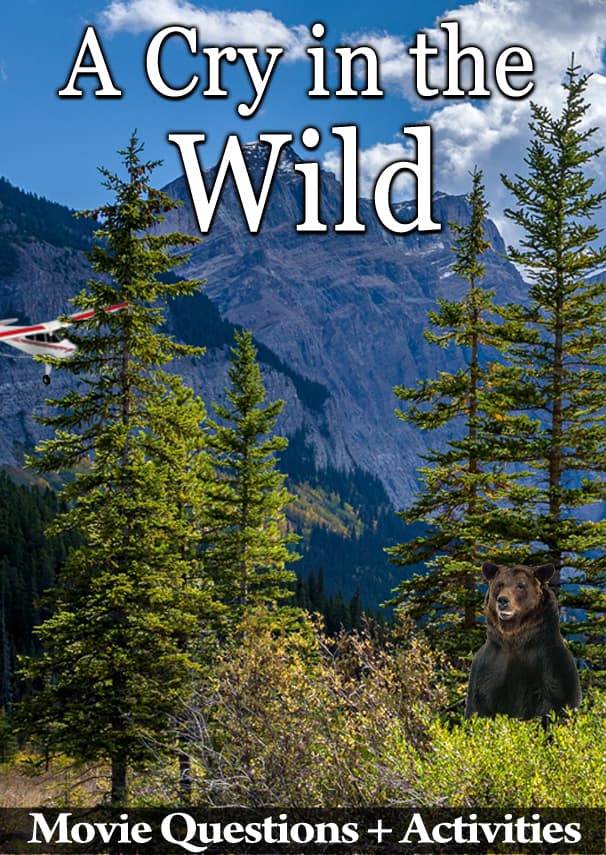
A Cry in the Wild
Thirteen-year-old Brian survives alone in the Canadian wilderness for weeks after a plane crash kills the pilot, using only a hatchet and his own resourcefulness to find food, build shelter, and signal for rescue. Based on Gary Paulsen's novel Hatchet, the movie pairs a survival story with a quieter thread about Brian coping with his parents' divorce. The guide turns that journey into two sets of differentiated comprehension questions plus map, diary, and newspaper writing tasks.
Read the classroom guide →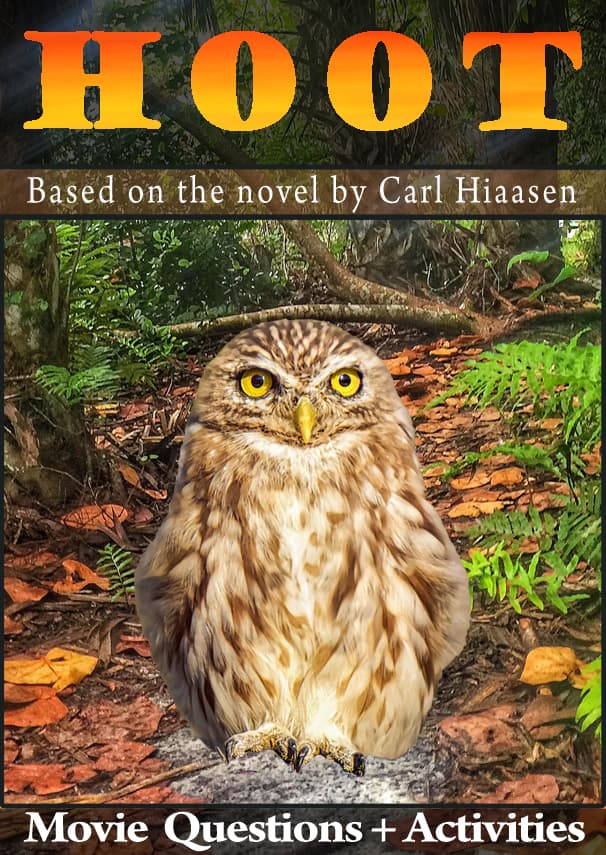
Hoot
Hoot follows three kids who notice a problem the adults around them are ignoring, a corporation quietly bulldozing protected land, and decide they are the ones who have to do something about it. The movie puts environmental responsibility and civic action directly in front of students without wrapping either in a tidy lesson. The accompanying guide gives students three tiers of comprehension work alongside storyboard, synopsis, and design activities built around the story.
Read the classroom guide →Forests and habitats
These guides put a specific habitat under threat and ask what happens when it is destroyed or defended. A rainforest, a hidden forest civilization, a toxic spill, land bulldozed for development, a robotic beaver saving a woodland, each movie gives students a concrete stand-in for deforestation and habitat loss instead of an abstract term. They work well alongside a unit on ecosystems or conservation, with the comprehension questions keeping the class accountable while they watch.
Once Upon a Forest
Three young forest friends set off on a dangerous journey to save a badger poisoned by a toxic gas spill, in a movie that puts environmental damage and its consequences right in front of students. Once Upon a Forest gives elementary classrooms an entry point into pollution and habitat loss that stays grounded in a rescue story kids can follow. The guide pairs the movie with differentiated comprehension work, creative writing, and environmental reasoning questions built for Earth Day units.
Read the classroom guide →Hoot
Hoot follows three kids who notice a problem the adults around them are ignoring, a corporation quietly bulldozing protected land, and decide they are the ones who have to do something about it. The movie puts environmental responsibility and civic action directly in front of students without wrapping either in a tidy lesson. The accompanying guide gives students three tiers of comprehension work alongside storyboard, synopsis, and design activities built around the story.
Read the classroom guide →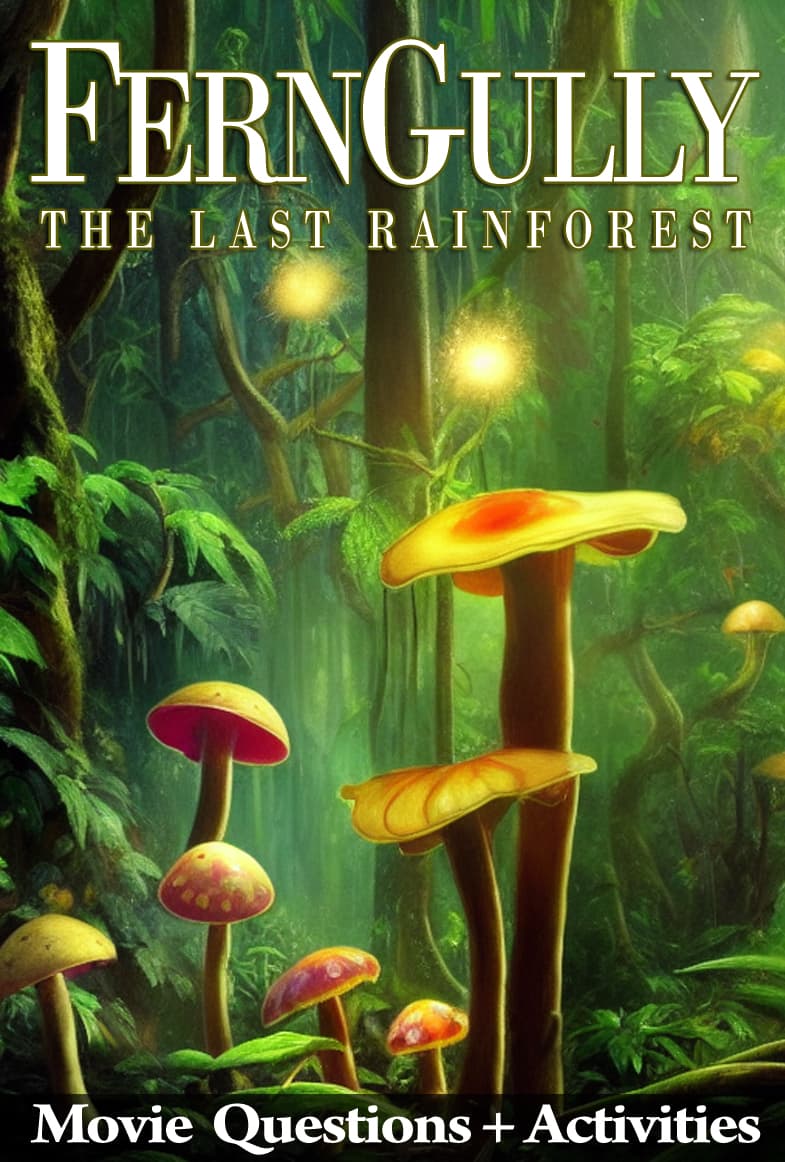
FernGully - The Last Rainforest
FernGully: The Last Rainforest follows a fairy named Crysta who shrinks a young logger named Zak down to her size, showing him the magical rainforest his own crew is destroying. Students follow their fight to stop Hexxus, a monster made of pollution, while the guide keeps them engaged with differentiated comprehension questions, a storyboard activity, and environmental writing.
Read the classroom guide →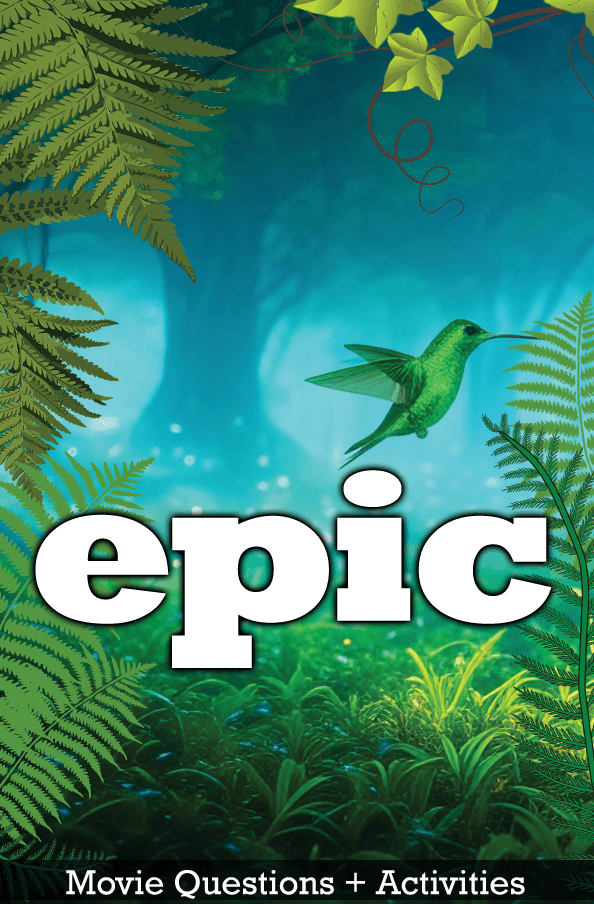
Epic
M.K. arrives at her estranged father's house convinced his research into tiny forest civilizations is nothing more than an obsession, until she is shrunk down and pulled directly into the world he has spent his life trying to prove exists. Students follow her fight to protect a hidden ecosystem while working through differentiated comprehension questions, a storyboard and synopsis, and creative writing tied to the movie.
Read the classroom guide →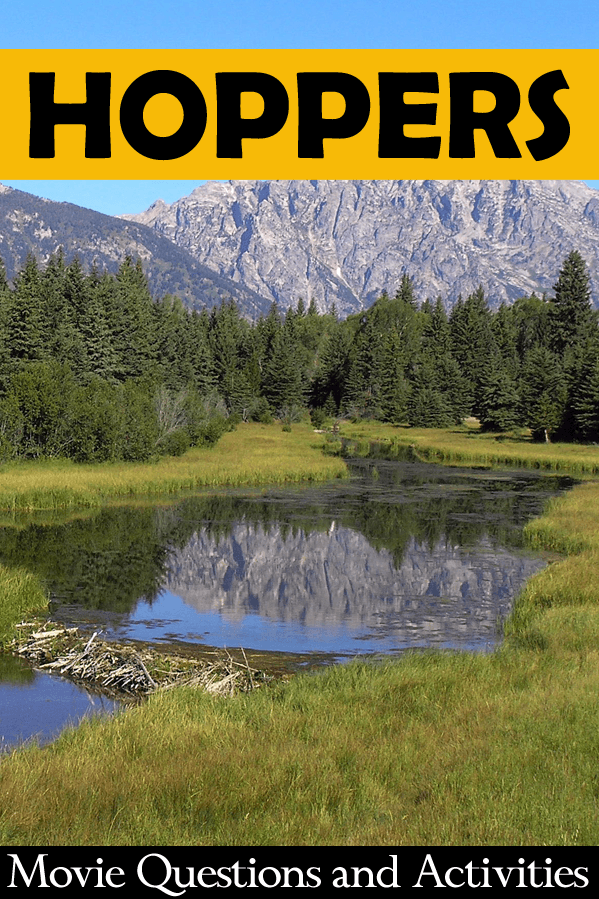
Hoppers
Pixar's most science-rich movie in years follows a young animal lover who hops her consciousness into a robotic beaver to save a woodland habitat from destruction. Funny, fast-moving, and packed with real educational value for science and environmental classrooms.
Read the classroom guide →Surviving in the wild
Each of these movies puts one character alone in a real wilderness with almost nothing to work with. A boy who chooses to live in a hollow tree, another boy who survives a plane crash with only a hatchet, a robot stranded on an island with no instructions for the life she finds there, all three make the natural world something to contend with rather than scenery. They pair well with a unit on self reliance, adaptation, or survival skills.
My Side of the Mountain
My Side of the Mountain follows twelve-year-old Sam Gribley as he leaves the city behind to live alone in the Canadian wilderness, building a home in a hollow tree and training a wild falcon to survive on his own terms. This guide has students answer questions about his journey, solve the same problems he faces, and map his story out in their own storyboard.
Read the classroom guide →A Cry in the Wild
Thirteen-year-old Brian survives alone in the Canadian wilderness for weeks after a plane crash kills the pilot, using only a hatchet and his own resourcefulness to find food, build shelter, and signal for rescue. Based on Gary Paulsen's novel Hatchet, the movie pairs a survival story with a quieter thread about Brian coping with his parents' divorce. The guide turns that journey into two sets of differentiated comprehension questions plus map, diary, and newspaper writing tasks.
Read the classroom guide →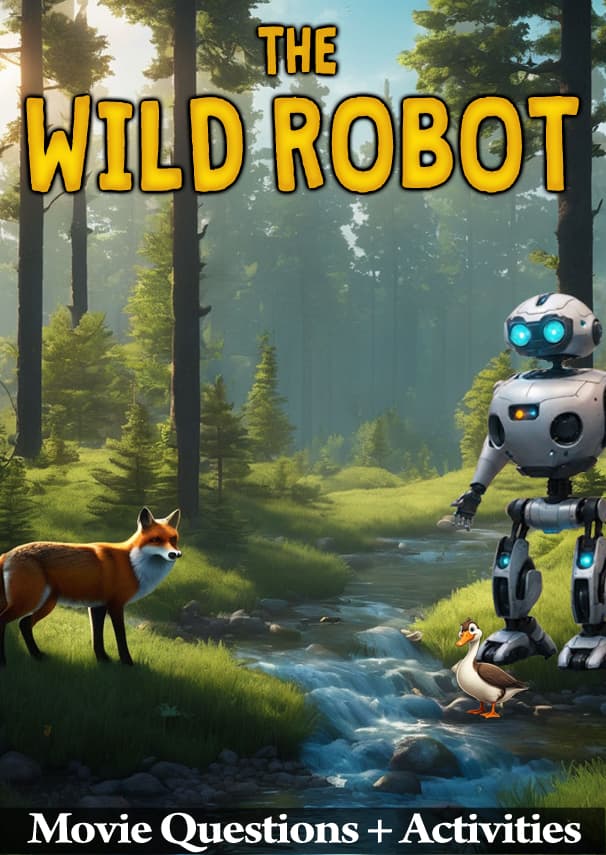
The Wild Robot
After a storm leaves a robot named Roz stranded on a remote island, she has to learn to survive among animals who do not trust her, and slowly becomes part of their world in ways she was never built for. Based on Peter Brown's novel, The Wild Robot pairs a survival story with questions about nature, technology, and what makes a family. The guide builds on this with comprehension questions, critical thinking activities, a storyboard and synopsis task, and character writing with drawing.
Read the classroom guide →Animals and ecosystems
This tab looks at the environment through the animals living in it. A documentary follows a year in the life of emperor penguins in Antarctica, an animated movie swaps a predator and prey pair into each other's bodies, and a stranded robot has to learn how the animals around her actually behave before she can survive among them. Together they give students a look at ecosystems from the animal's side rather than the human one.
March of the Penguins
March of the Penguins follows a year in the life of emperor penguins in Antarctica as they trek across the ice to find a mate and raise their young against brutal cold and constant danger. This documentary guide gives students two sets of differentiated comprehension questions, pair discussion, a storyboard and synopsis task, and a penguin fact sheet writing activity.
Read the classroom guide →The Wild Robot
After a storm leaves a robot named Roz stranded on a remote island, she has to learn to survive among animals who do not trust her, and slowly becomes part of their world in ways she was never built for. Based on Peter Brown's novel, The Wild Robot pairs a survival story with questions about nature, technology, and what makes a family. The guide builds on this with comprehension questions, critical thinking activities, a storyboard and synopsis task, and character writing with drawing.
Read the classroom guide →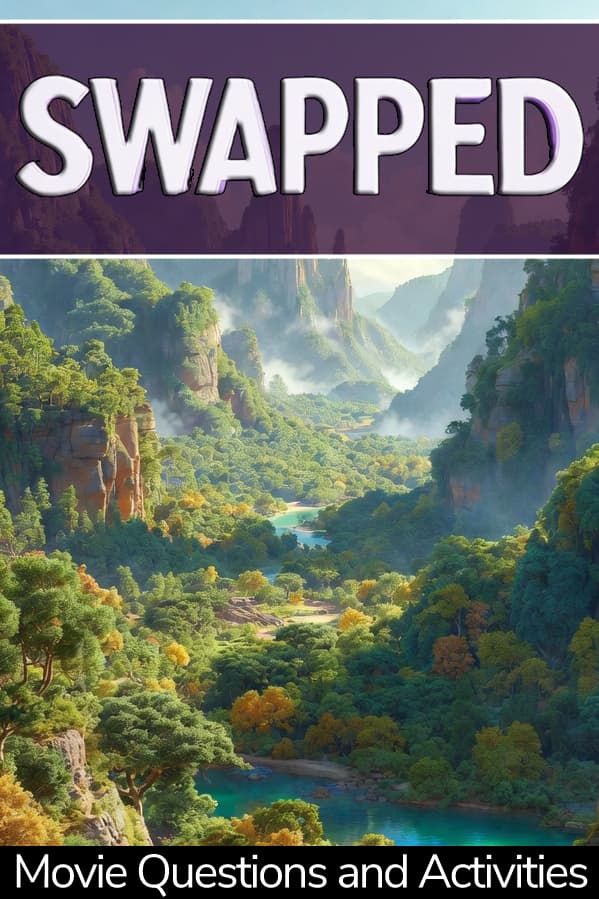
Swapped
A gorgeously animated Netflix adventure about two natural enemies forced to swap bodies and see the world through each other's eyes. Funny, fast-moving, and surprisingly rich material for the classroom.
Read the classroom guide →People and the planet
These guides look at the relationship between people and the environment they depend on. A future Earth buried under garbage, a real teenager who builds a wind turbine from scrap parts to pump water during a famine, the American food industry and what it costs, and the Inca Empire treating the land as more valuable than gold, each one gives students a specific human choice or consequence to examine rather than a general lesson about the planet.
Pachamama
A young Inca boy sets off on a dangerous journey to recover his village's sacred treasure after it's stolen, facing both the wrath of the gods and the arrival of Spanish conquistadors. The guide includes two sets of differentiated comprehension questions, a storyboard and synopsis task, and class discussion questions.
Read the classroom guide →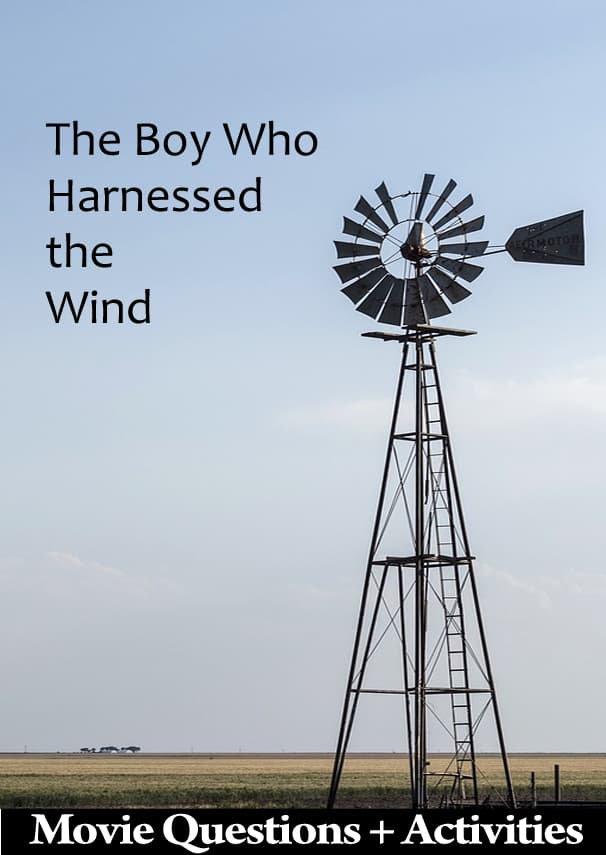
The Boy Who Harnessed the Wind
When famine threatens his village in Malawi, thirteen-year-old William Kamkwamba teaches himself engineering from a library book and builds a wind turbine from scrap parts to pump water to his family's fields. Based on a true story, this quietly extraordinary drama puts resourcefulness, perseverance, and the value of education at the center of everything it does. The 9-page guide supports the viewing with two differentiated comprehension question sets, a storyboard, and a synopsis activity.
Read the classroom guide →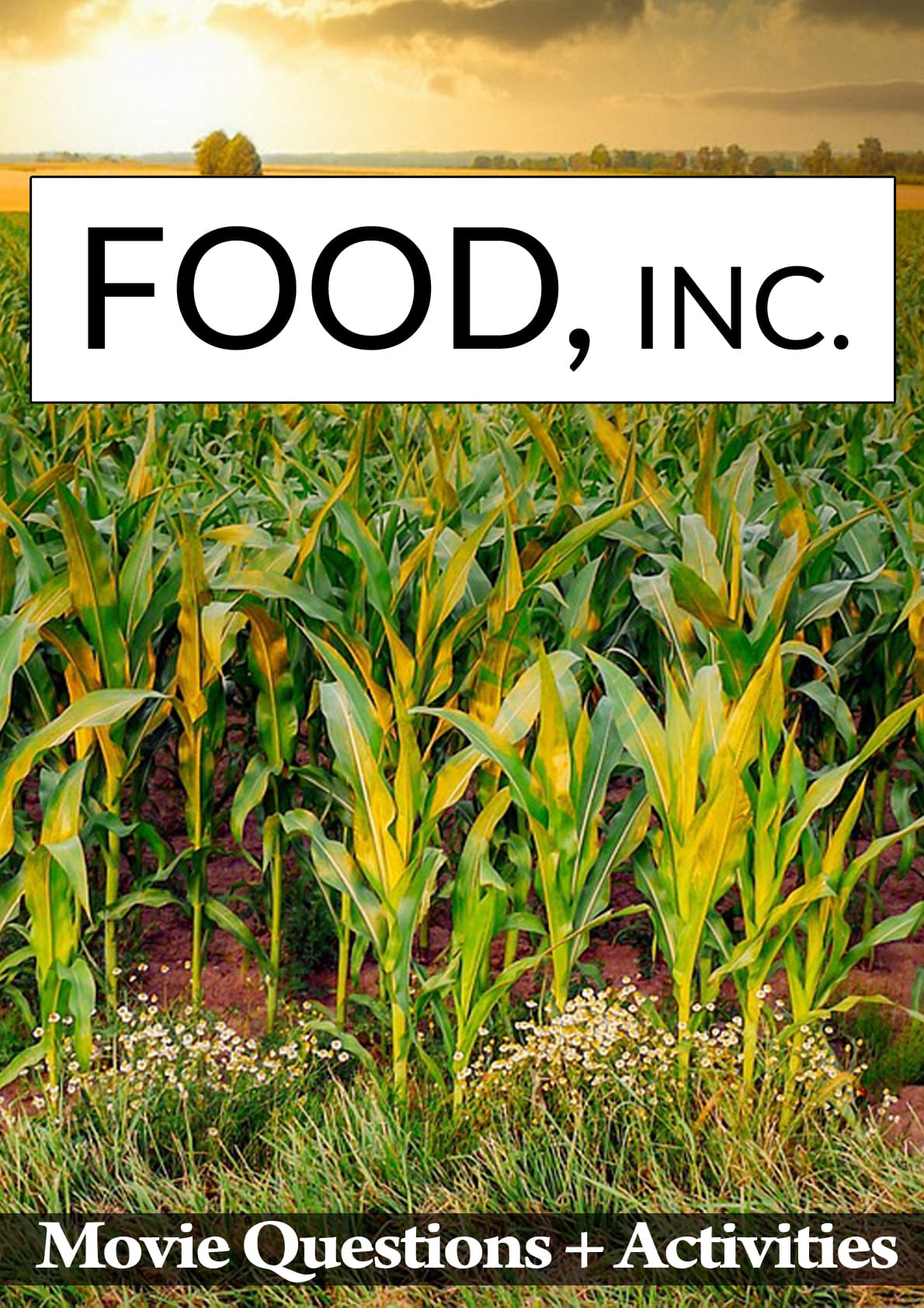
Food, Inc.
Food, Inc. takes students inside the American food industry and asks who controls what ends up on supermarket shelves, how it got there, and what that means for the people, animals, and land involved. It is a PG-rated documentary that has been used in Health, Science, and ELA classrooms since its release, and it comes with a pre-viewing discussion and a hands-on processed food research task built into the guide.
Read the classroom guide →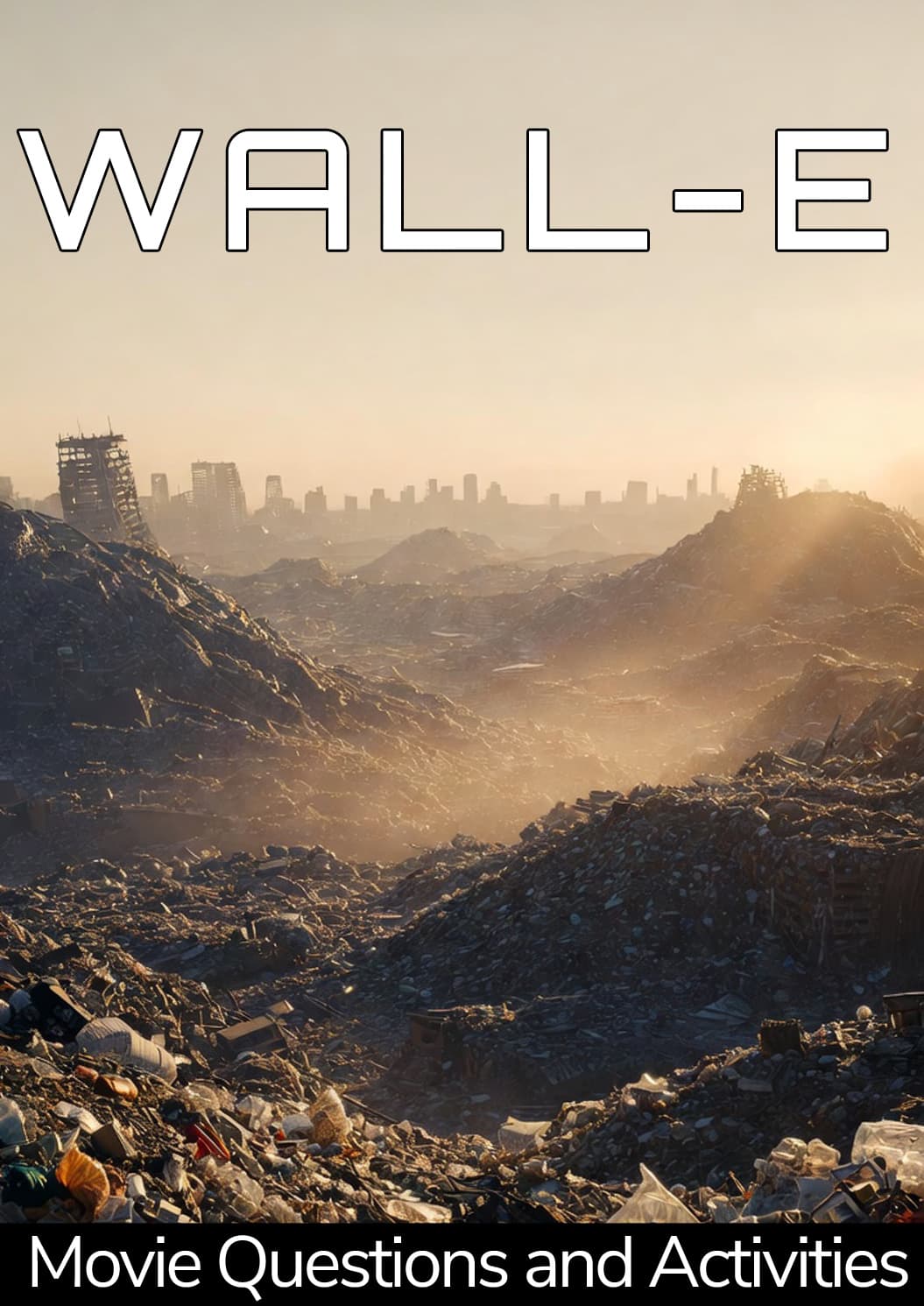
WALL-E
Students are drawn into WALL-E's world almost immediately, and the fact that he barely speaks a word for the first half of the movie makes that connection all the more striking. Set 700 years in the future on an Earth buried under rubbish, WALL-E is a quietly told story about loneliness, love, and what happens when humanity stops paying attention to the planet. It works across year groups and sits naturally in units on the environment, visual storytelling, or character study.
Read the classroom guide →Documentaries
This tab collects the environmental documentaries in the collection, and it will grow as more are added. Right now it includes a year in the life of emperor penguins in Antarctica and a look at the American food industry from farm to plate. Each one gives students a real record of an ecosystem or industry instead of a dramatized version, with a guide built to keep the viewing purposeful rather than passive.
March of the Penguins
March of the Penguins follows a year in the life of emperor penguins in Antarctica as they trek across the ice to find a mate and raise their young against brutal cold and constant danger. This documentary guide gives students two sets of differentiated comprehension questions, pair discussion, a storyboard and synopsis task, and a penguin fact sheet writing activity.
Read the classroom guide →Food, Inc.
Food, Inc. takes students inside the American food industry and asks who controls what ends up on supermarket shelves, how it got there, and what that means for the people, animals, and land involved. It is a PG-rated documentary that has been used in Health, Science, and ELA classrooms since its release, and it comes with a pre-viewing discussion and a hands-on processed food research task built into the guide.
Read the classroom guide →
William K. Reilly with Earth Day founder Senator Gaylord Nelson. Photo: EPA.
The history of Earth Day
Earth Day began on April 22, 1970, when Wisconsin senator Gaylord Nelson organized what he called a national teach-in on the environment. He hired Denis Hayes, a young activist, as national coordinator, and the event grew quickly from an idea into a nationwide day of action. On the day itself, an estimated 20 million Americans took part in rallies, cleanups, and teach-ins on college campuses and in schools across the country.
That level of public pressure had an immediate effect in Washington. In December 1970, the Environmental Protection Agency was established, and the Clean Air Act was signed that same year. The Clean Water Act followed in 1972, and historians often call the years that followed the environmental decade, when a wave of federal and state laws set out to protect air, water, and wildlife for the first time.
Earth Day stayed a mostly American event through the 1970s and 1980s before going global in 1990, when roughly 200 million people in more than 140 countries took part. It is now marked in nations around the world every April 22. For a classroom, that history is useful on its own. It shows students that a single organized day, built on a simple idea, helped create the environmental laws and agencies still shaping policy today, and that public pressure on an issue can turn into lasting institutional change.
Looking for a shorter list to start with? The Top 10 Best Earth Day and Environmental Movies for the Classroom ranks ten movies from this collection for a quicker read.
See the Top 10 Earth Day and Environmental Movies →
TPT Store
Find the Earth Day guides on TPT
Every guide featured on this page is available in my TPT store, along with comprehension questions, writing activities, and answer keys where they exist. Browse the full Earth Day and environment category to find the guide that fits your unit.
Browse guides in my TPT store →