Day of the Dead in the Classroom
One of Mexico's most recognized holidays and one of the most misunderstood outside it. A celebration of memory, family, and one of the richest cultural entry points on the classroom calendar.
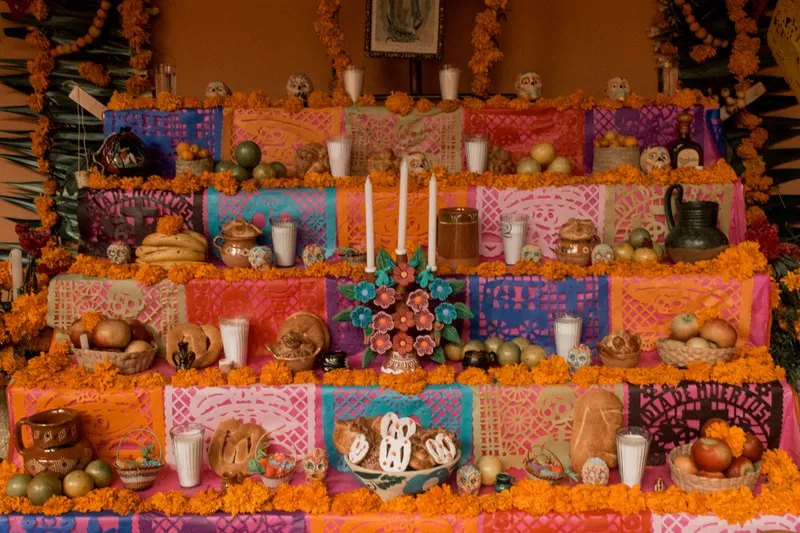
Day of the Dead, or Día de los Muertos, is one of Mexico's most recognized holidays and one of the most misunderstood outside it. It is not a spooky counterpart to Halloween. It is a celebration of memory, family, and the belief that death is part of the same continuum as life rather than the end of it.
For teachers, it is also one of the richest entry points into Mexican history, art, and cultural values available on the calendar, and it pairs naturally with three of the guides in this store: Coco, the Spanish-language edition of Coco, and The Book of Life.
The History
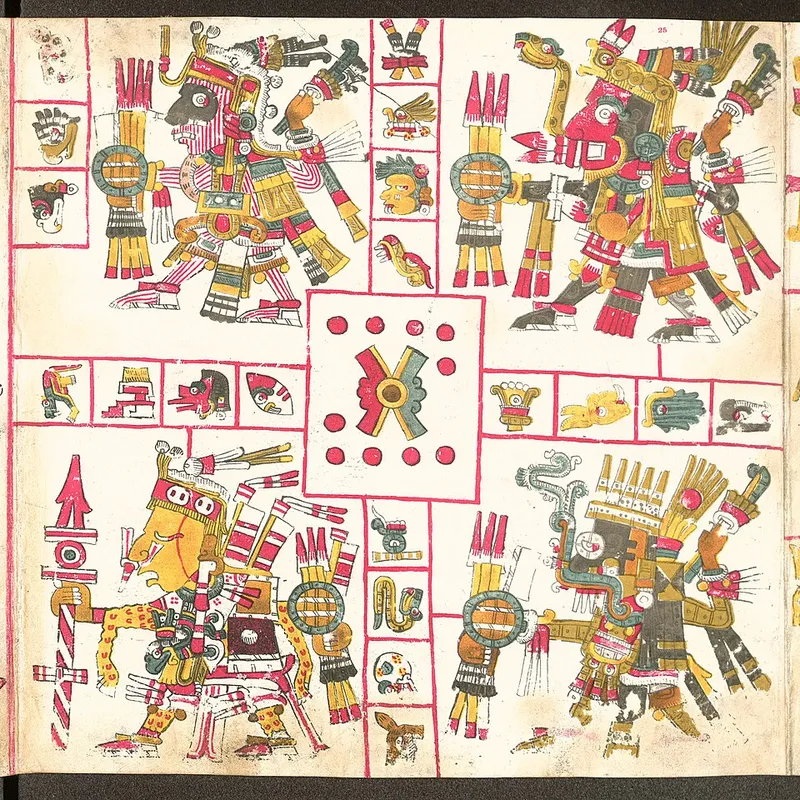
Day of the Dead traces back roughly 3,000 years to rituals honoring the dead in pre-Columbian Mesoamerica, practiced by the Aztec, Toltec, and other Nahua peoples. In Aztec belief, the dead were guided and protected by the goddess Mictēcacihuātl, the Lady of the Dead, who allowed spirits a window each year to return and visit their living families.
Central to that belief was the idea that a person's soul embarked on a journey after death. The Aztecs and other Nahua peoples believed the deceased traveled to Chicunamictlán, the Land of the Dead, passing through nine challenging levels over several years before finally reaching Mictlán, the soul's final resting place. Family members left food, water, and tools at gravesides to help the deceased on this journey, a practice that evolved into the modern custom of placing offerings on ofrendas.
The holiday as it exists today is a fusion. When Spanish colonizers brought Catholicism to Mexico, the Church aligned indigenous death rituals with its own All Saints' Day and All Souls' Day, observed on November 1st and 2nd. Over time, the original monthlong Aztec observance narrowed to those two days, blending indigenous belief with Catholic tradition into something distinctly Mexican rather than either one alone.
-opt.webp)
That blended origin matters for how the holiday is taught. Día de los Muertos is not a costume idea borrowed from another culture's Halloween. It is a living tradition with deep indigenous roots that survived colonization and still shapes how millions of families relate to death today. In 2008, UNESCO recognized it on the Representative List of the Intangible Cultural Heritage of Humanity, citing its significance to Mexico's indigenous communities specifically.
That recognition is worth pausing on with students: a holiday that began in Aztec ritual, was reshaped by colonization, and is still practiced by living communities across Mexico was important enough for the world to formally protect. That continuity is part of what makes it such a rich subject for the classroom.
Where and How It's Celebrated
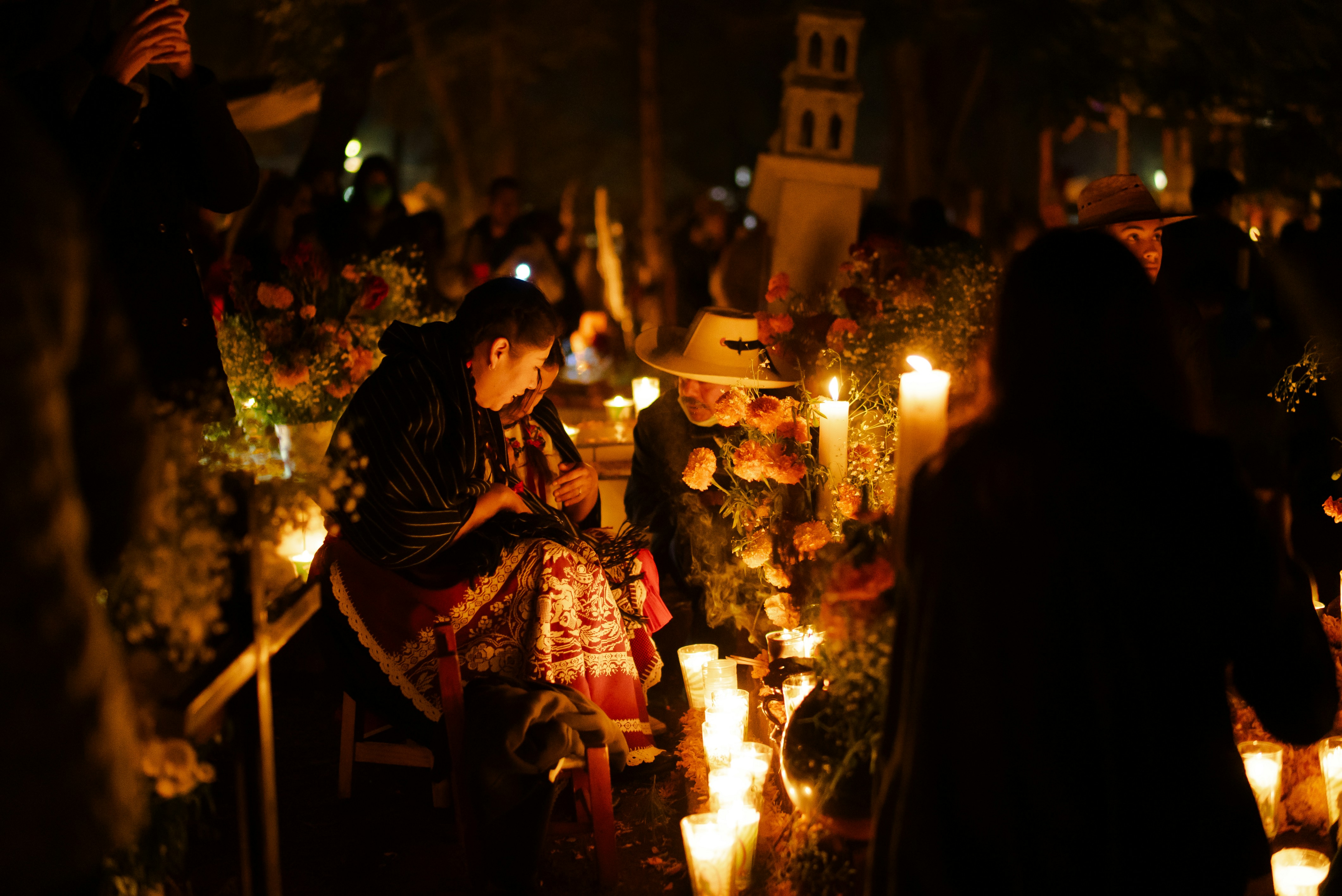
Day of the Dead is observed across Mexico and parts of Latin America and the United States, but it is not celebrated identically everywhere. Some regions are especially known for it.
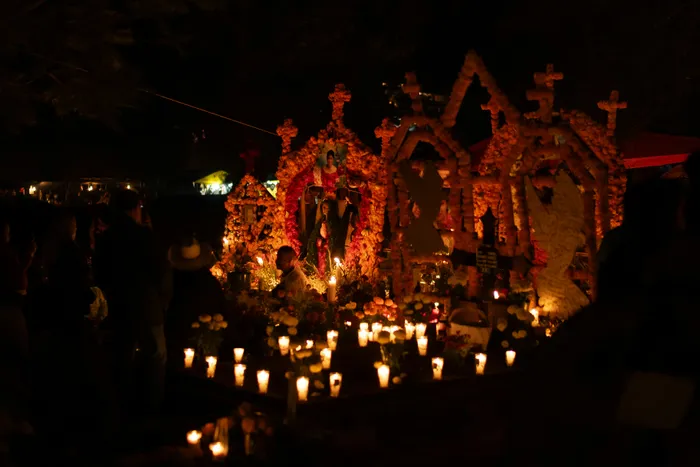
The Ofrenda
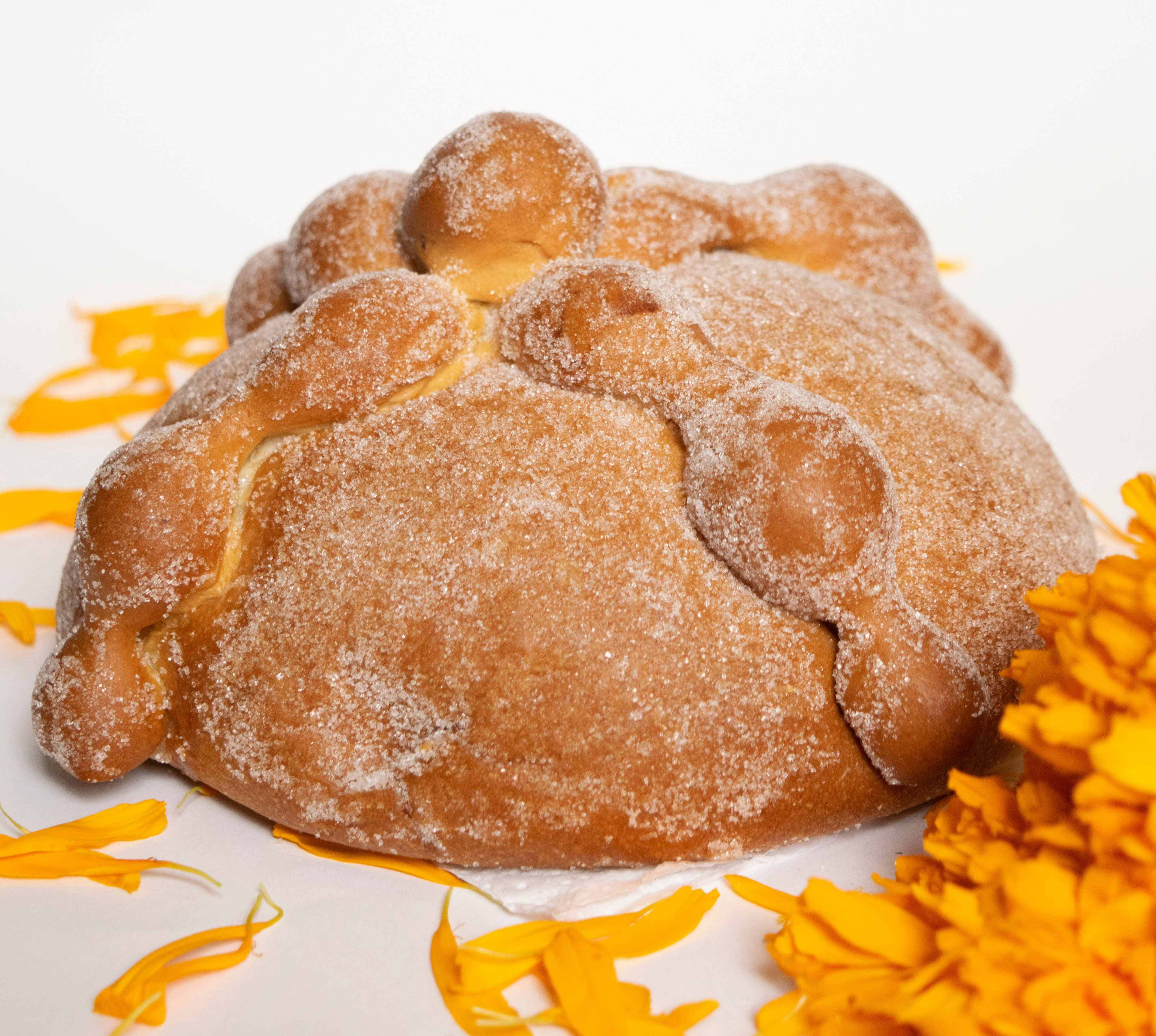
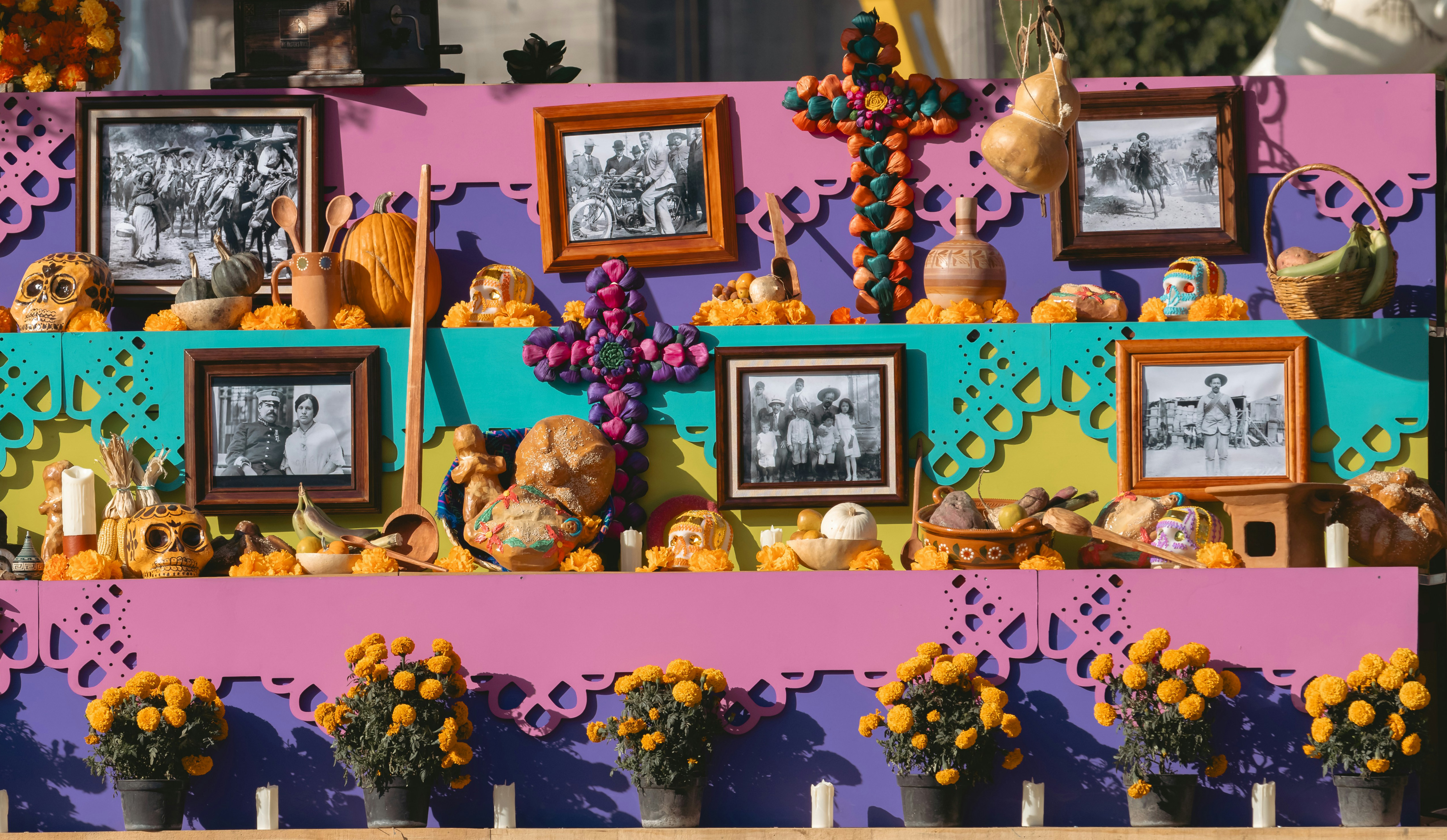
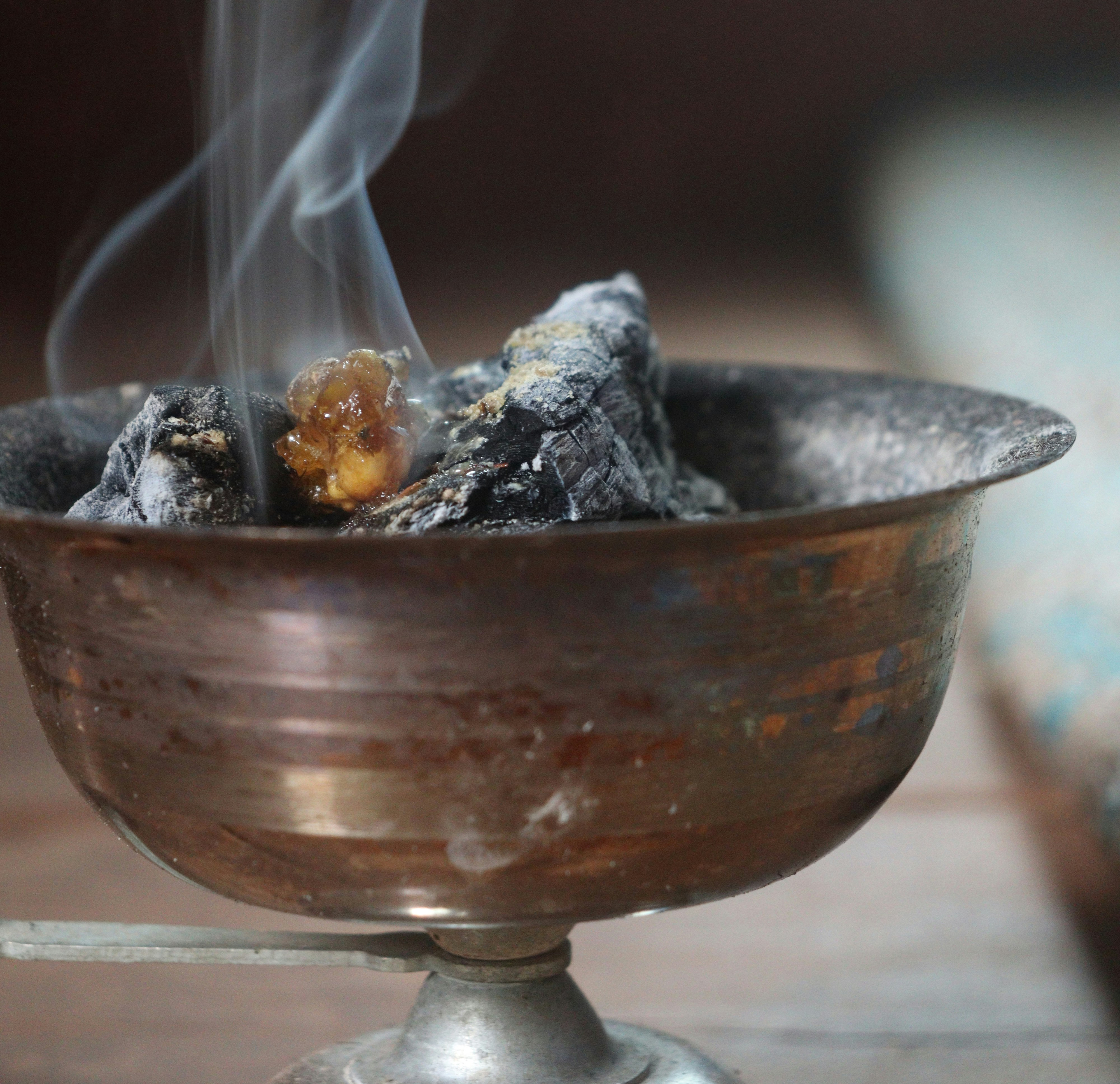
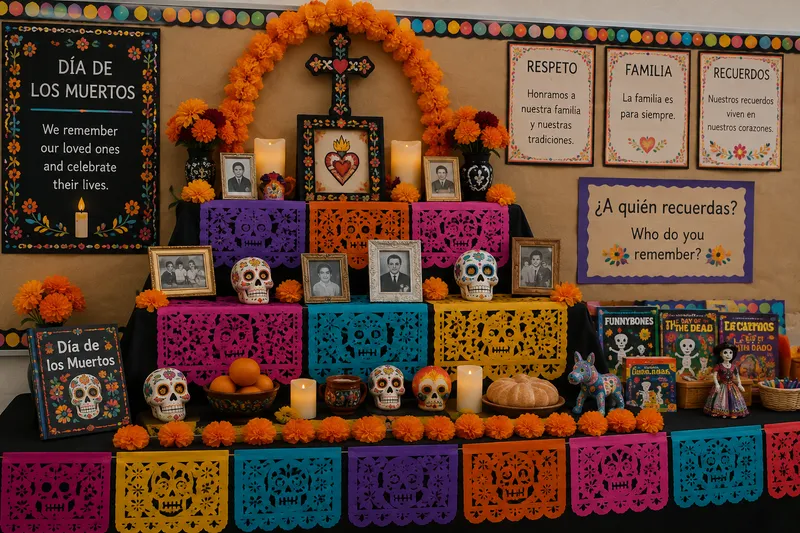
The centerpiece of the celebration is the ofrenda, a home altar built to welcome the dead back for their visit. Each element carries meaning.
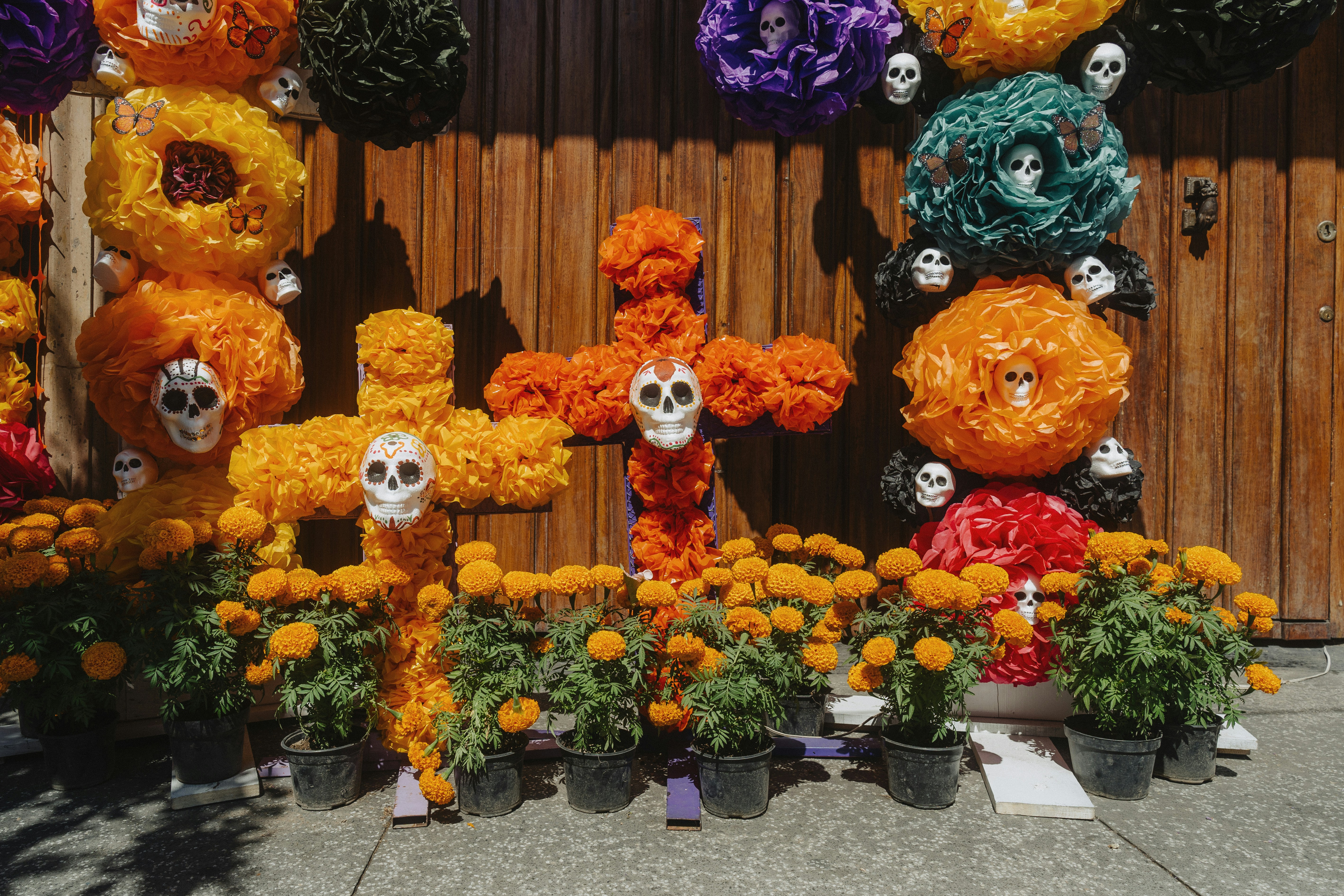
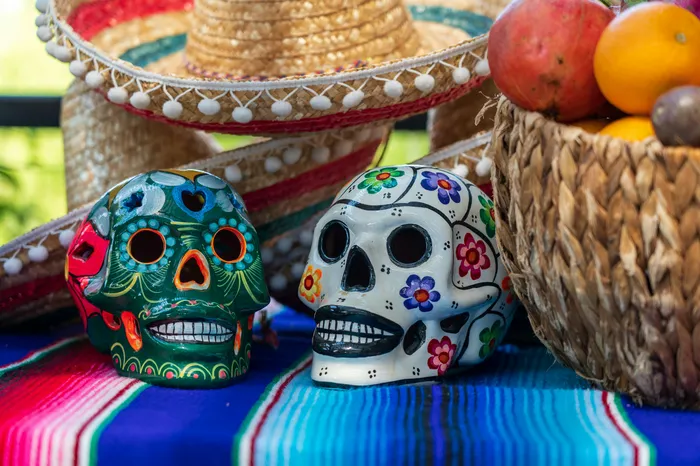
Bringing It Into the School Environment
Día de los Muertos works well in a classroom precisely because it resists the two easiest missteps: treating it as scary, and treating it as a costume theme. Handled with the same respect Mexican families bring to it, it becomes a genuine cross-curricular unit rather than a one-day novelty.
Social Studies and History. Trace the holiday's roots from Aztec ritual through Spanish colonization to its modern form, a concrete case study in how cultures blend rather than simply replace one another.
World Language / Spanish. An obvious natural fit. Vocabulary around family, food, and remembrance comes with built-in cultural context, giving students a reason to use the language for something real rather than a drill.
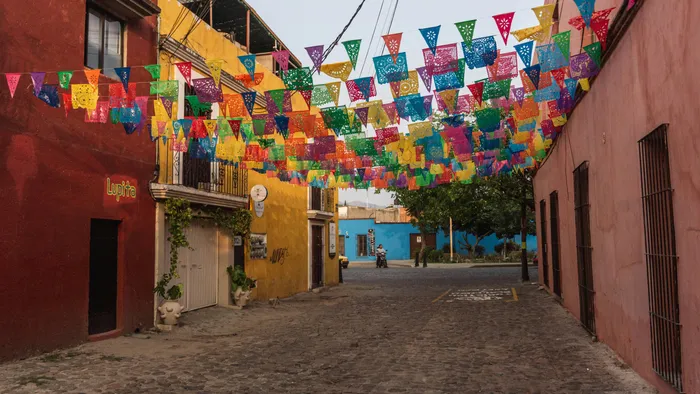
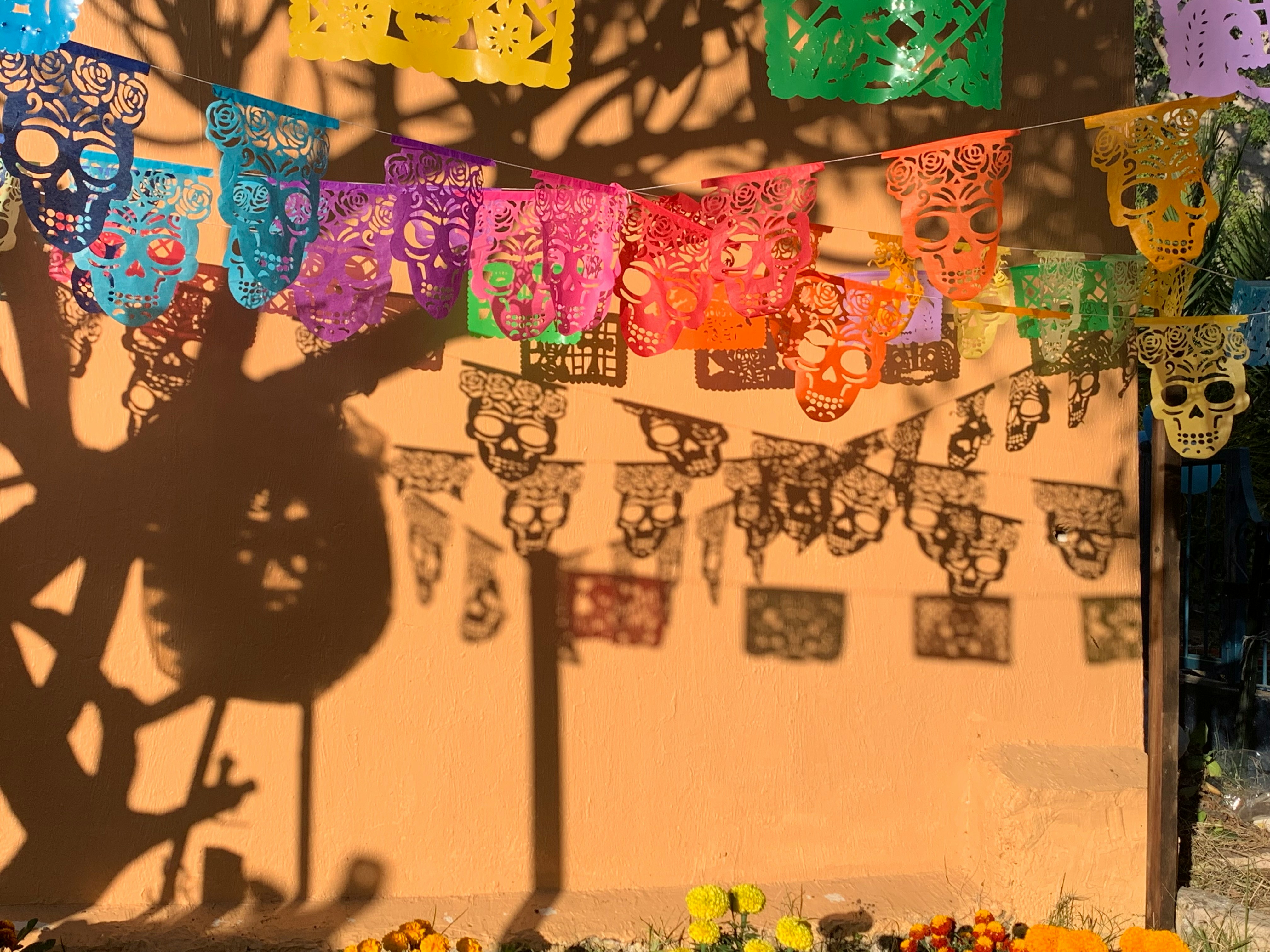
Art. Papel picado, sugar skull design, and the visual language of the ofrenda all carry specific symbolic meaning rather than being decorative for their own sake.
SEL and Advisory. The holiday's core idea, that remembering someone can be done with joy instead of only grief, offers a low-pressure way to talk about loss, memory, and family.
The most important teaching note: this is not “Mexican Halloween.” The two holidays share a calendar but not a meaning, and conflating them is the single most common way the celebration gets misrepresented in a school setting. Presented on its own terms, with its own history and symbols, it gives students a genuine window into Mexican culture rather than a costume.
In the Classroom
Three guides, one celebration
Both films were built around Día de los Muertos and treat its traditions with genuine care. Each guide structures that experience into comprehension questions, creative tasks, and cultural activities.
The Book of Life (2014)
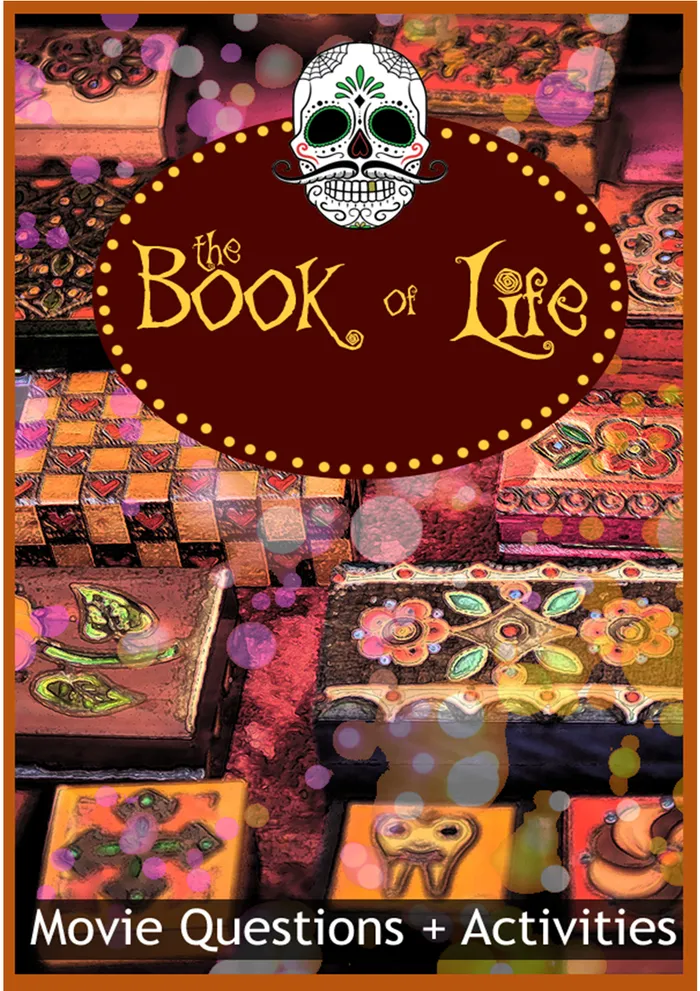
The Book of Life follows Manolo, a young man torn between his family's expectations and his own path, set against a vividly imagined version of the Day of the Dead. The movie is rooted in real Día de los Muertos iconography, from the visual language of calaveras to its central idea that the dead remain present as long as they are remembered, and its own afterlife, the Land of the Remembered and the Land of the Forgotten, builds on that idea in the movie's own way. Its wooden-figure, folk art animation style gives it a visual identity distinct from Coco's.
The guide's 14 pages include two differentiated comprehension question sets (25 full-sentence questions and 25 multiple-choice questions, both with answer keys), six discussion questions with teacher-guided example answers, asking students things like why music succeeds where fighting fails in the bullring scene, what freeing the pigs together shows about friendship, and why Día de los Muertos is a happy celebration rather than a sad one. Students then draw a 9-scene storyboard of the movie's key events and use it to write a synopsis, complete three character profiles (Maria, Manolo, and Joaquin), and finish with a word search and a calavera coloring page. It's tagged for ELA, ESL, SEL, and Social Studies, for grades 3 through 6.
View the Book of Life blog post →Coco (2017)
Coco follows Miguel, a boy from a Mexican shoemaking family, who crosses into the Land of the Dead on the Day of the Dead itself and finds himself among skeletal ancestors while trying to find his way home. Every major detail of the movie's Land of the Dead draws on real tradition and folk art: the marigold bridge spirits cross, the alebrijes as spirit guides, the calavera aesthetic, and the idea of the "final death" that happens when no living person remembers you anymore, a real belief tied to why ofrendas and remembrance matter in the first place.
The guide's 16 pages include differentiated comprehension questions (a full written-response set and a multiple-choice set, both with answer keys), an alebrije design activity where students invent and draw their own spirit guide animal, a calavera decoration task tied directly to the holiday's central imagery, four character profiles, a word search, and a creative sentence-writing activity. It's tagged for ELA, ESL, Music, SEL, and Social Studies, and works well as a Día de los Muertos unit anchor on its own or alongside The Book of Life for a two-movie comparison.
View the Coco blog post →
Coco: Edición en Español
Teaching Spanish? The complete Coco guide is available fully in Spanish — every question, activity, and task. / ¿Enseñas español? La guía completa de Coco está disponible en español, con todas las preguntas, actividades y tareas traducidas.