By Mr Hull's Movie Guides
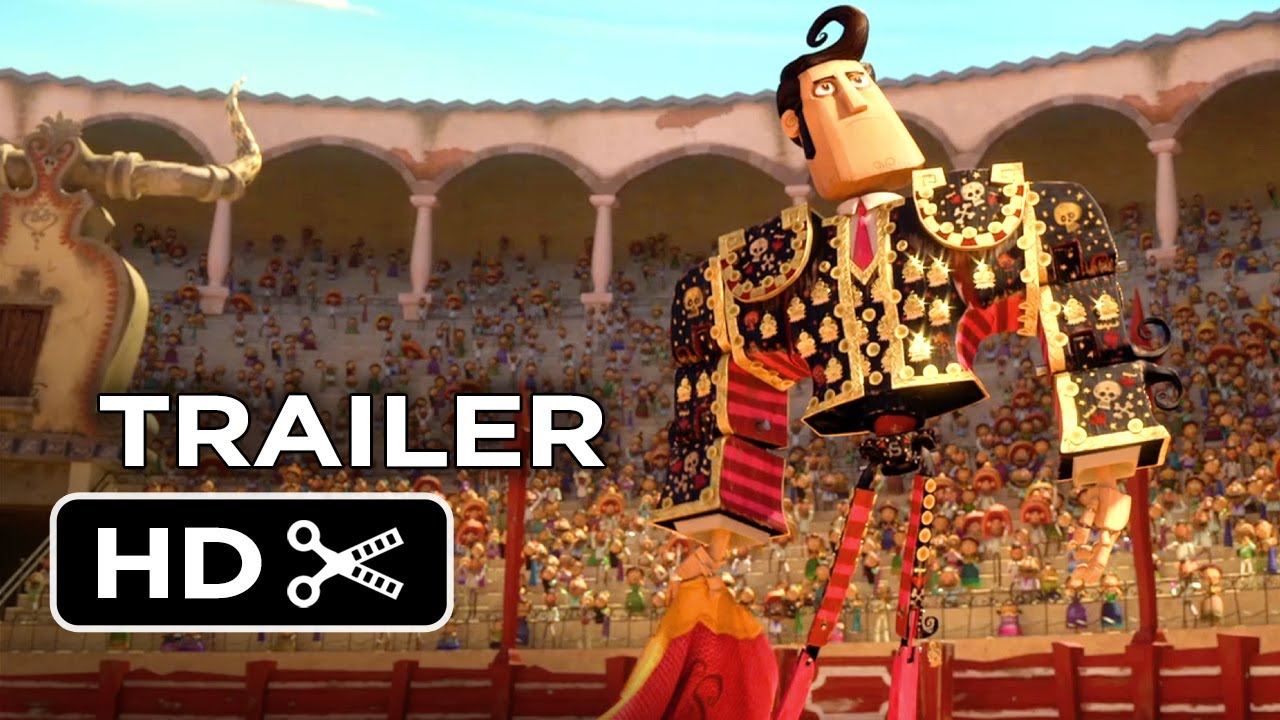
Watch the Trailer
Why Watch This Movie With Your Students
Here's what your students naturally take away from the movie, whether through themes, values, ideas, or perspectives.
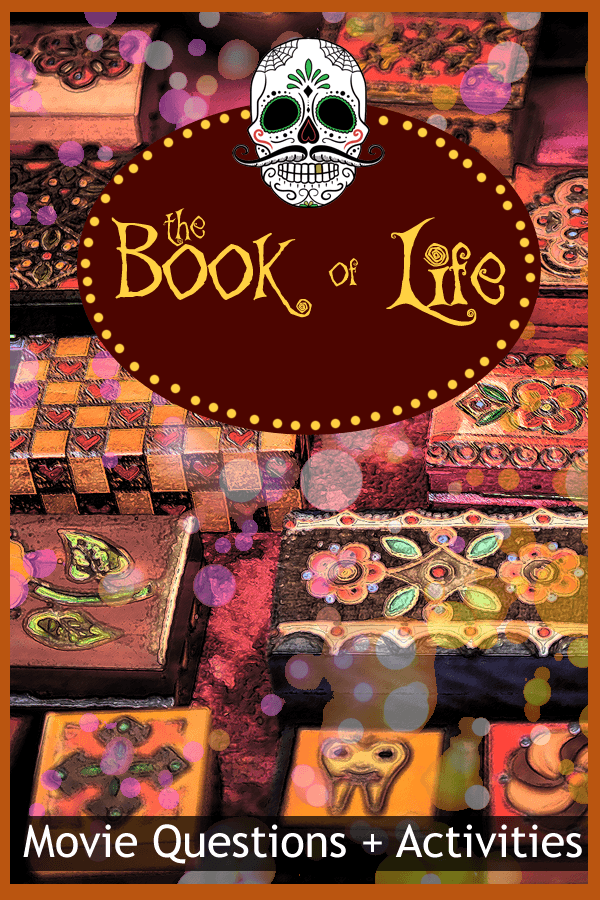
💀 A genuine window into Day of the Dead traditions. The movie is rooted in Mexican cultural practices around Día de los Muertos, from the visual iconography of calaveras to the idea that the dead live on as long as they are remembered. Students come away with a real sense of the tradition rather than a surface-level impression.
🎸 A central conflict students recognise. Manolo's struggle between his family's expectations and his own values is a tension that resonates across age groups. The movie frames it clearly and honestly, making it a straightforward starting point for conversations about identity, belonging, and what it means to choose your own path.
🌺 Visually inventive animation. The world of the film is designed to look like it is made from wooden figures and folk art, which gives it a look unlike most animated movies students will have seen. The visual creativity is a talking point in itself and something students tend to notice and respond to.
⚖️ Clear themes of integrity and courage. When Manolo refuses to kill the bull in the ring, it costs him. The movie is straightforward about the fact that doing the right thing is sometimes uncomfortable, and that integrity matters even when it goes against what everyone else expects. It is an accessible but not simplistic moral lesson.
👨👩👧 Family and remembrance at the heart of the story. The idea that those who have died remain present as long as they are remembered runs through the entire movie. It gives younger students a gentle and culturally specific way to think about loss, legacy, and what families mean to each other across generations.
Age Suitability and Content
This movie is rated PG.
⚠️ Things to be aware of:
- Violence and scary imagery: The movie features skeletons and underworld imagery throughout, including a character whose head is separated from his body and is carried around. The villain Xibalba is visually intimidating and makes loud, frightening movements. There are bullfighting scenes, a battle sequence with punching and sword fighting, and a large demonic bull surrounded by fire near the end. Some jump scares occur throughout. Younger or more sensitive students may find certain scenes unsettling.
- Language: Mild insults including 'kick his butt' and 'lazy bum'. Some children are referred to as 'detention kids'.
- Romance: Two boys are in love with the same girl. There are several attempts at kissing and one kiss occurs. Characters sing pop songs as part of a courtship.
- Drinking: Adults are shown drinking, though what they are consuming is not specified.
- No sexual content beyond the above.
📋 A free editable parent permission slip is available for this movie. It explains the educational benefits of watching movies in class and includes a space for parental consent. → Download Free Permission Slip on TpT (Free resource)
Note for educators: Movie details and age ratings in this post are sourced from IMDb, Common Sense Media, and Wikipedia to help ensure accuracy.
How My Movie Guide Helps You Teach It
📚 English Language Arts Teachers. The Book of Life is a good fit for ELA classes working on character, theme, or cultural storytelling. The guide supports a range of writing tasks from comprehension and sequencing through to character analysis and synopsis writing, with differentiated question sets for mixed-ability classes.
🗣️ ESL and ELL Teachers. The multiple choice comprehension questions were written with ESL and ELL students in mind, offering three possible answers per question to reduce language demand while keeping students engaged with the story. The visual richness of the movie also supports comprehension for students still developing their English.
🌐 Social Studies Teachers. The Book of Life is built around Mexican cultural traditions, particularly the Day of the Dead, and gives Social Studies teachers a vivid and accessible entry point for units on world cultures, Latin American traditions, or cultural celebrations and their meaning. The guide does not include Social Studies-specific activities, but the comprehension questions keep students accountable during viewing and the character profile and calavera design tasks connect naturally to the cultural content.
🎬 Substitute Teachers and Cover Lessons. The guide is clearly structured across five parts and requires no prior subject knowledge to administer. Students can work through it independently as the movie plays, making it a reliable option for a substitute teacher looking for a self-contained lesson.
🏠 Homeschool Parents. For homeschool families, The Book of Life offers a lively way into Mexican culture, coming-of-age themes, and creative writing. The guide covers comprehension, storyboarding, synopsis writing, character profiles, and a calavera design activity, giving students a varied and engaging set of tasks to work through alongside the movie.
💙 SEL Teachers. The movie is well suited to SEL classes exploring identity, family expectations, integrity, and the courage to follow your own values. Manolo's journey gives students a clear and engaging model of what it looks like to make difficult choices for the right reasons. The guide does not include SEL-specific activities, but the comprehension questions and discussion questions in Part 2 both engage with the emotional and ethical content of the story.
🌟 Supporting All Learners Movie guides can be a wonderfully calm fit for students with autism, learning difficulties, and mild to severe disabilities. The structured format gives every student a clear purpose during viewing, easing uncertainty and allowing them to engage at their own pace. If you teach in a special education or learning support setting, you may find this guide a gentle and practical resource. Find out more about why movies work for diverse learners.
What's Inside the Guide
This is a 14-page classroom-ready resource.
Part 1: Comprehension Questions
Two sets of differentiated questions covering the movie in chronological order. The first set contains 25 questions requiring full sentence answers. The second set contains 25 multiple choice questions with three possible answers, suitable for ESL and ELL students or for differentiation. Answer keys are included for both sets.
Part 2: Discussion Questions
Six critical thinking questions for class discussion, with teacher-guided example answers included.
Part 3: Storyboard and Synopsis
Students draw a 9-scene storyboard of the most important events in the movie, with a brief description for each scene. They then use their completed storyboard as a guide to write a synopsis of the movie.
Part 4: Character Profiles
Three character profiles covering Maria, Manolo, and Joaquin. Students draw a profile picture, describe the character's features and personality, and write what they like and dislike about the character. Can be divided across a group of three if completing all three individually is too much.
Part 5: Word Search and Calavera Design
A word search featuring 17 words from the movie, plus a calavera outline ready to be designed and coloured.
“This is an excellent resource for any high school class. I highly recommended for fellow teachers looking for a practical or classroom tool.”
— Joaquin M.
“This was a wonderful incentive activity. Students were able to watch a movie during Hispanic Heritage Month. They were also able to learn about the culture of the Day of the Dead and how important it is. They were engaged in the activity.”
— Gloria D.
How These Guides Work: From Movie to Lesson
Watching a movie is not a break from learning. It reaches students through sight, sound, and story at once, engaging the brain in ways text alone does not, and the structured work around it is what turns the viewing into a genuine lesson. You can read the research behind this on the Why Movies Work page.
- A Teacher Notes and General Directions page opens the guide with a brief overview of everything inside: what the movie is about, then each part of the guide in order with a short description of what it entails. You know what to expect from the whole resource before you hand out a single page, so you can pick up the guide cold and teach it the same day.
- Answer keys are included for the comprehension question sets, so grading is quick and you are not rewatching the movie to check answers. Some guides also include example answers for the creative and written activities.
- Print and go: classroom ready, with no additional preparation needed. Print one the morning you need it and the lesson is ready.
- Substitute and first-timer friendly. A guide can be handed to a substitute or picked up by a teacher covering the topic for the first time. Nobody running the session needs to have seen the movie.
- Differentiated comprehension sets. Most guides include two or three question sets at different difficulty levels, and most include a multiple-choice option that works well for ESL and ELL students. One class set covers your strongest readers, your strugglers, and your language learners without separate prep.
- Activities that go beyond recall. Each guide includes structured activities that ask students to engage with the movie, not just watch it, ranging from creative and written tasks to discussion and critical thinking questions depending on the guide. That variety matters in a mixed classroom: a student who freezes on a written question set may show real understanding through a drawing or a creative task, and a confident writer gets room to go beyond recall. For the teacher, it turns a movie session into work you can grade: comprehension questions show whether students followed the plot, and the activities beyond them show whether they understood it.