By Mr Hull's Movie Guides
Watch the Trailer

Why Watch This Movie With Your Students
Here's what your students naturally take away from the movie, whether through themes, values, ideas, or perspectives.
⭐ Watches a selfish goal turn into real growth. Tristan begins the story chasing a fallen star only to win over a girl who does not actually value him. As he gets to know Yvaine as a person rather than a prize, his motivation changes completely. Students can track this shift and use it to discuss what genuine character growth looks like on screen.
👑 Explores a fairy tale built on betrayal and ambition. The dying King of Stormhold sets his surviving sons against each other by declaring that whichever finds a lost ruby will inherit the throne. The brothers plot murder against each other over the course of the movie, giving students a concrete look at how power and greed can poison family relationships.
✨ Reframes a familiar fantasy trope. Tristan expects the fallen star to be a lump of rock, and instead finds a living, thinking woman named Yvaine. That reversal runs through the rest of the story, as Yvaine consistently has her own opinions and pushes back against being treated as an object or a prize.
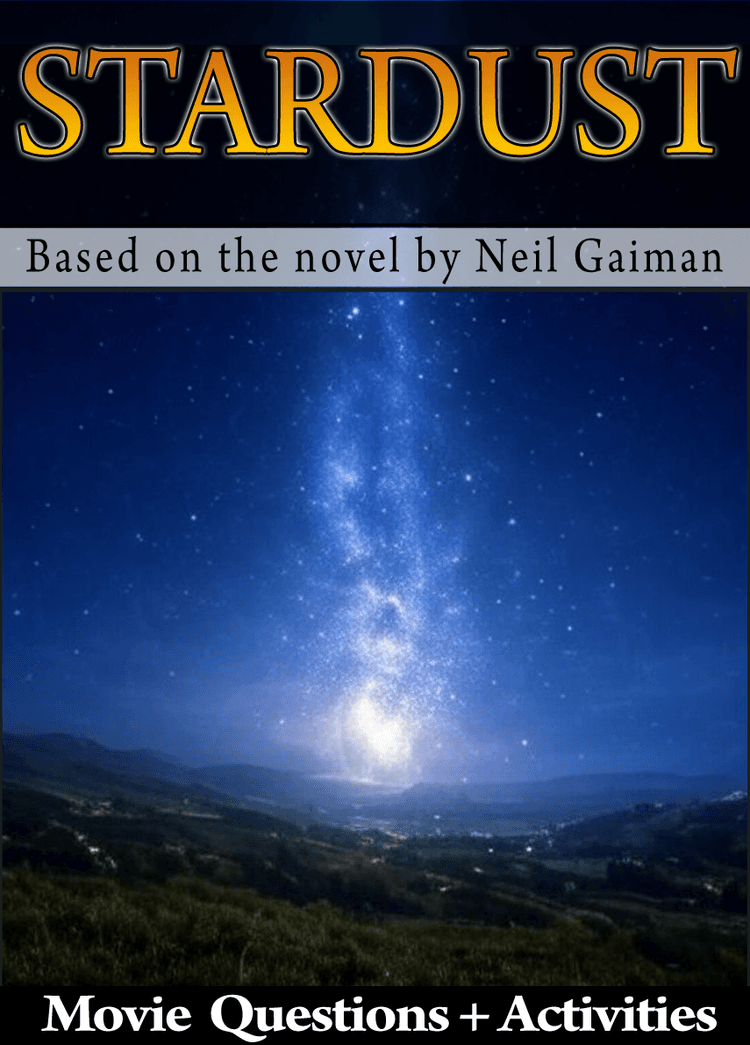
📖 Adapts Neil Gaiman's novel for the screen. Stardust is based on Neil Gaiman's 1999 novel of the same name, and the movie makes clear choices about what to compress, expand, or change in bringing that story to the screen, including a different ending. Students studying adaptation have a concrete example of how a novel gets reshaped for a different medium.
🏴☠️ Shows a mentor figure who defies expectations. Captain Shakespeare, the pirate captain who takes Tristan and Yvaine aboard his ship, presents himself as fearsome to his crew while secretly loving cooking, dancing, and dressing in women's clothing. His character gives students a case study in the difference between how a person is perceived and who they actually are.
🧙 Centers a villain motivated by fear of aging. Lamia, the lead witch, is driven by a need to consume Yvaine's heart to restore her youth and power. Her arc, visibly aging and weakening as the story goes on, gives students a distinct antagonist to analyze whose motivation is rooted in something other than simple cruelty.
Age Suitability and Content
This movie is rated PG-13.
📋 A free editable parent permission slip is available for this movie. It explains the educational benefits of watching movies in class and includes a space for parental consent. → Download Free Permission Slip on TpT (Free resource)
⚠️ Things to be aware of:
- The movie includes several fantasy sword and knife fights, including a small number of on-screen deaths.
- One witch character uses dark magic, including a scene involving a voodoo doll, that younger viewers may find intense.
- Two brief scenes imply sexual encounters between unmarried couples without depicting nudity.
- Alcohol is consumed on screen by some characters, including pirates and the two young leads sharing champagne.
- There is no strong language in the movie.
How My Movie Guide Helps You Teach It
📚 English Language Arts Teachers. Stardust is a strong ELA movie for classes studying character motivation, since Tristan's shift from a self-interested suitor into someone who genuinely values another person gives students a clear arc to trace from start to finish. The guide's storyboard and synopsis task moves students from planning to writing their own account of that arc, and the character writing assignment pushes them into a more developed, structured response built around one of the movie's characters. Differentiated comprehension question sets support mixed ability classes throughout.
🗣️ ESL and ELL Teachers. Stardust gives ESL and ELL students a fantasy adventure with clear visual storytelling and a straightforward central quest, which supports comprehension even when some of the dialogue moves quickly. Every guide includes a set of multiple choice comprehension questions built with ESL and ELL students in mind, giving them a structured way to follow the plot and check their understanding as they watch.
🎬 Substitute Teachers and Cover Lessons. Everything a substitute needs is included in one organized packet, with three tiers of comprehension questions, a storyboard and synopsis task, and a character writing activity, all with answer keys for the comprehension question sets. A substitute can run the full session without having seen the movie beforehand.
🏠 Homeschool Parents. Stardust's blend of adventure, romance, and fantasy makes it an engaging pick for a home learning session with older students, and its themes around treating people as individuals rather than prizes can open up real conversation afterward. The guide gives a single student plenty to work with too, including differentiated comprehension questions, a storyboard and synopsis activity, and a character writing task built around one of the movie's characters.
💙 SEL Teachers. Stardust gives SEL classes a real look at how a relationship changes someone's behavior, as Tristan begins the movie treating Yvaine as a prize to be delivered and grows into someone who recognizes her as a person with her own will. The guide does not include a dedicated SEL activity, but the comprehension questions give students a structured task and keep them accountable for tracking this shift as they watch.
🌟 Supporting All Learners Movie guides can be a wonderfully calm fit for students with autism, learning difficulties, and mild to severe disabilities. The structured format gives every student a clear purpose during viewing, easing uncertainty and allowing them to engage at their own pace. If you teach in a special education or learning support setting, you may find this guide a gentle and practical resource. Find out more about why movies work for diverse learners.
What's Inside the Guide
This is a 14-page classroom-ready resource.
Part 1: Comprehension Questions
Three sets of differentiated comprehension questions in chronological order, covering 50 questions requiring full sentence answers, a shorter 35 question set with full sentence answers, and a 35 question multiple choice set with three possible answers per question. The multiple choice set works well for ESL and ELL students. Answer keys are included for all three sets.
Part 2: Storyboard and Synopsis
Students draw a nine scene storyboard covering what they consider the most important parts of the movie, with a brief description for each scene, then use their storyboard as a guide to write a synopsis of the movie.
Part 3: Character Writing
Students write about one of the movie's characters following guided question prompts and include a drawing of their chosen character.
How These Guides Work: From Movie to Lesson
A movie is not a break from learning. It reaches students through sight, sound, and story at once, engaging the brain in ways text alone does not, and the structured work around it is what turns the viewing into a genuine lesson. You can read the research behind this on the Why Movies Work page.
- A Teacher Notes and General Directions page opens the guide with a brief overview of everything inside: what the movie is about, then each part of the guide in order with a short description of what it entails. You know what to expect from the whole resource before you hand out a single page, so you can pick up the guide cold and teach it the same day.
- Answer keys are included for the comprehension question sets, so grading is quick and you are not rewatching the movie to check answers. Some guides also include example answers for the creative and written activities.
- Print and go: classroom ready, with no additional preparation needed. Print one the morning you need it and the lesson is ready.
- Substitute and first-timer friendly. A guide can be handed to a substitute or picked up by a teacher covering the topic for the first time. Nobody running the session needs to have seen the movie.
- Differentiated comprehension sets. Most guides include two or three question sets at different difficulty levels, and most include a multiple-choice option that works well for ESL and ELL students. One class set covers your strongest readers, your strugglers, and your language learners without separate prep.
- Activities that go beyond recall. Each guide includes structured activities that ask students to engage with the movie, not just watch it, ranging from creative and written tasks to discussion and critical thinking questions depending on the guide. That variety matters in a mixed classroom: a student who freezes on a written question set may show real understanding through a drawing or a creative task, and a confident writer gets room to go beyond recall. For the teacher, it turns a movie session into work that can actually be assessed: comprehension questions show whether students followed the plot, and the activities beyond them show whether they understood it.